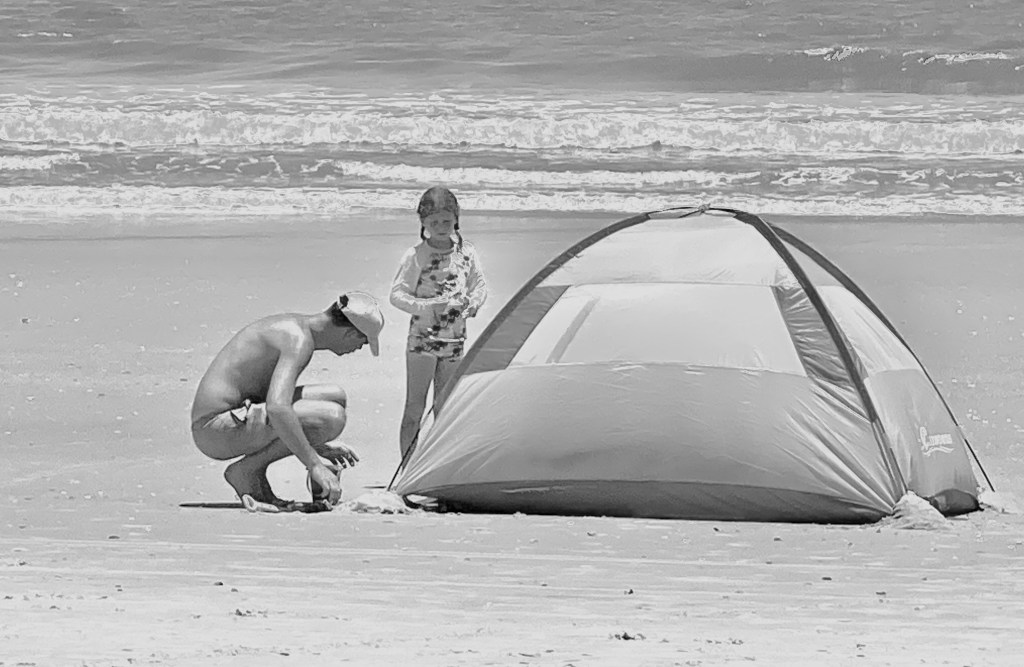
Boots in the Trunk

Some of the greatest moments in life, I believe, are when you find out you are not the only one who does “that.” You’re not the only kid in class who likes to blow bubbles in her chocolate milk or the only student who questions why you should wear a dress to school on picture day when you hate wearing dresses and no one ever sees your dress because you’re always in the back row for pictures. Once, on a phone interview for a job in Florida, I mentioned that most of my friends “up here in the north” seemed to believe that living in colder climates builds character and people who want to live in warmer places are just lazy. The employer simply said, “Come on down; you’ll find plenty of hardworking folks here; they just happen to like burying their toes in the warm sand.” I remember thinking, “I’ve found my people.”

One of my most affirming moments occurred a few years ago while watching a movie that was set in southern California. A woman was sitting in heavy Los Angeles traffic on her way to work when the road began to shake and seemed to begin rolling. Her first response, once all the motion ceased, was to pop open her trunk and change from her fashionable black pumps into a pair of hiking boots. She evidently kept in her trunk for just such an emergency, or at least the character did. She must have known she’d likely have to walk through streets filled with debris, and the boots were just one of the survival tactics she’d either learned firsthand or been taught. She was prepared.

I remember nothing else now about the movie except that I wondered if she also kept some water and maybe a first aid kit and snacks in her trunk. What I loved was that she wasn’t some hiker out on the Appalachian Trail for weeks; the character must have been created by someone familiar with earthquakes who understood that we never know when or where we’ll need to run for our lives. It would be several years later before I would learn that boots in the trunk was a common response for survivors of trauma and abuse. I don’t know if the woman in the movie was supposed to have grown up with a scoutmaster for a father, or if she was a trauma survivor, but she embraced the boots in the trunk. She didn’t think it was weird.

Boots in the trunk, a “go” bag by the bed…

I was a teen when I realized not everyone slept with a “go bag” next to the bed in case a speedy escape became necessary in the middle of the night. After five decades of being teased by others for it, though, I was especially grateful to finally learn that lots of other trauma survivors sleep with shoes under the bed, a wallet or purse with meds, money and that handy Swiss Army knife by the bed, so that in an emergency, they do not waste precious survival and escape time locating footwear or a flashlight. Finally, I could stop being embarrassed that I preferred to sleep in something I knew I could wear outdoors in case of a fire or an earthquake or tornado. I could stop hiding the fact that I think about not wanting to have to run into the dark barefoot and thus be even more vulnerable in a crisis. My “go bag” has been a reasonable and healthy response to the lessons of my childhood where I was taught to be afraid of the dark and it is also a reflection of a strong instinct to survive. Instead of being embarrassed that I startled so easily, I became proud of my Swiss Army knife and I became grateful for those survival instincts. Plenty of children do not get out.

Escape Artists

I know some people who were abused or whose childhood was traumatic seek vengeance and long to hurt the one hurting them, and even hurt others in an attempt to ease their own pain, but my instinct has always been to escape. When my siblings and I were young, they seemed unaware that following the rules meant escaping the belt or the hair brush.  As we grew older and taller, I knew to stay well away from my parents’ and even my siblings’ arguments because they so easily slid into the violent responses we’d seen modeled. I mostly escaped broken bones and stitches by escaping as a child and teen. Later, I applied the same tactics to job losses and failures and broken relationships because I knew when to escape, and how to – most of the time – make an exit before the explosions.

Because I could escape, none of their crazy dust landed on me. I know without a doubt that is one reason I survived and got this far. Too many children who grew up like we did never get very far from the crazy, never get too many steps out the door.  Maybe that is because they had not managed to stay arm’s lengths away as children and teens; maybe their scars left them less equipped to walk away when they were old enough; maybe their backpacks were just too heavy to carry another step.

Sadly, few if any adults were able back then to recognize this behavior as a survival technique and, thus, necessary. I once attended a junior high church retreat.  Our parents sent us away to every camp and retreat that was offered. My brother and sister hated those camps. In contrast, I eagerly grabbed a bag and hopped into whatever car was taking us away from whatever house we were living in at the time. At that particular junior high retreat, though, the girls’ leader accused me of being like a “wolf.” Because I was being quiet, she accused me of preparing to “pounce, to attack,” when the opportunity arrived.  I’m really not sure what kind of attack she thought I was planning. I remember just staring at her while she accused me of cooperating with some kind of evil. She was only half wrong, though, which meant, of course, that she was half right. I wasn’t preparing to pounce, though; I was preparing to escape, trying to figure out when that might be necessary.  Sadly, it felt like escape was too often necessary and, after a while, became a way of life.

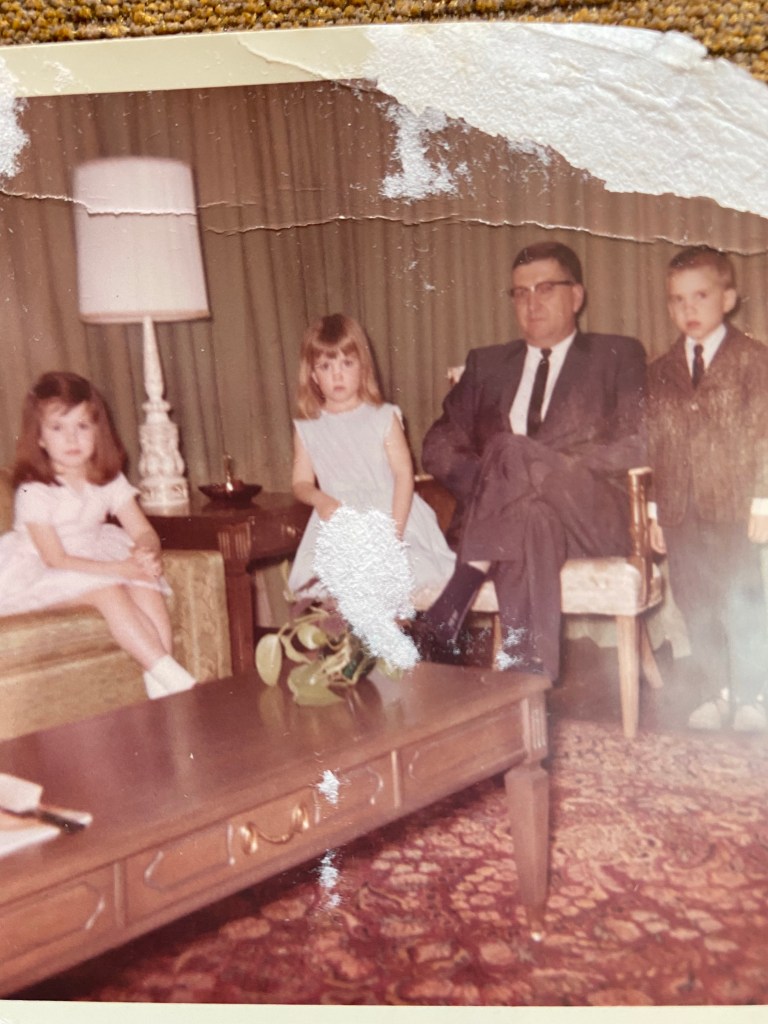
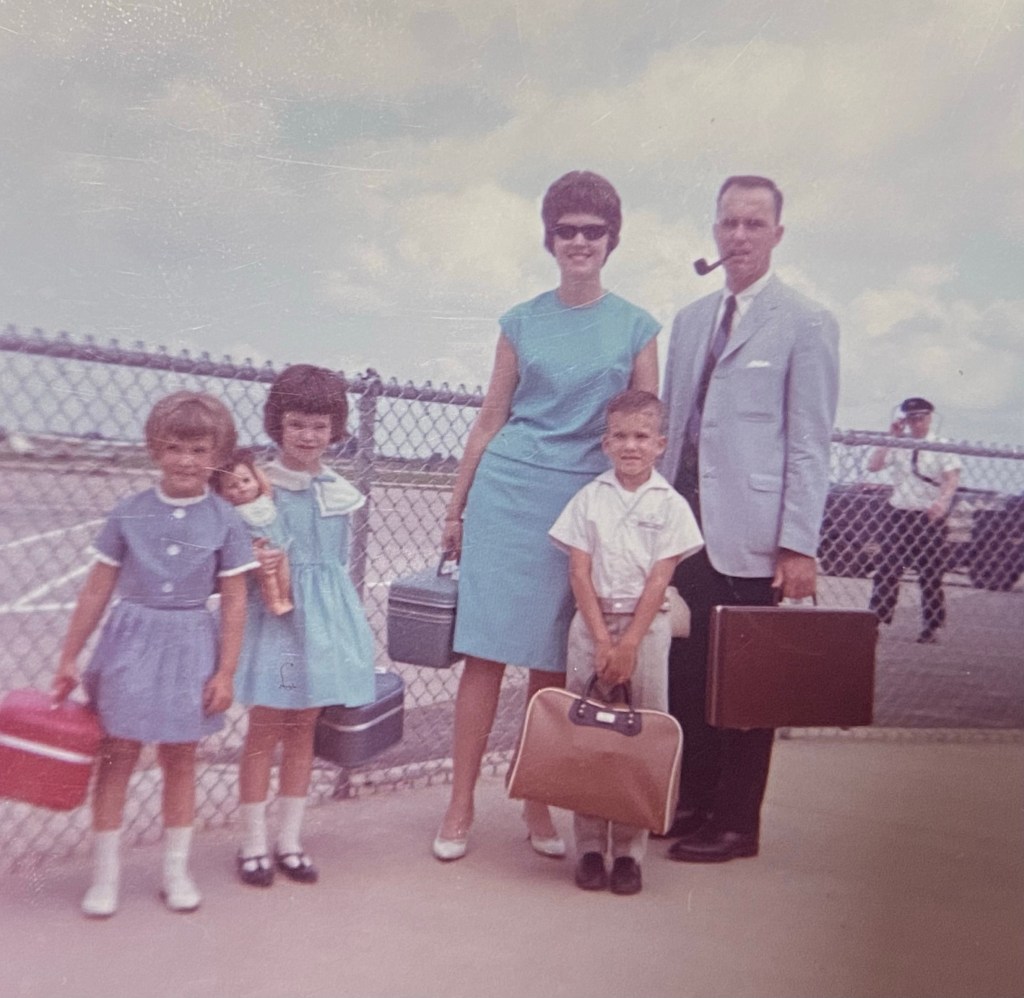
I wasn’t preparing to pounce, though; I was preparing to escape. Sadly, it felt like escape was too often necessary and, after a while, became a way of life. Photo, 1964.

A counselor once asked me how I had survived the turmoil, upheaval, illnesses and chaos of my home. Since I’d already told her about how often I had simply walked away, I was confused. I know now she wanted me to relate to her how I knew when to get the hell away from my mom or dad or brother or sister or myriad boyfriends. The fact is, in the beginning, I became a girl scout. Well, actually a boy scout. Okay, both.  Being a “girl scout” meant being good. Being good meant usually no one noticed me and, if I followed the rules, usually no one would hit me.  I would certainly never give them a reason to hit me.

Being a “boy scout” meant being prepared. Since we had moved so many times before I was sixteen, it wasn’t like we didn’t have practice packing. I kept my bag and shoes by the bed because they kept me feeling like I had some power to escape if I needed. I knew when to leave because I was what counselors called “hypervigilant.” I watched folks around me like a hawk. That was what concerned the youth leader at the junior high retreat; she did not recognize the behavior as a survival tactic developed over time in response to threats; it was somehow easier for her to imagine a teen as evil than to consider one of the parents in the church might be a predator, I guess.

Live Like a Refugee

The more I worked to find healing over the years after I finally escaped my family home, the more I found like-minded souls who also seemed to move about more than others. My first husband and I were both nomads when we met. “You Don’t Have to Live Like a Refugee” by Tom Petty was the soundtrack of both of our lives at the time. We had both been traveling quite a bit when we separately landed in a writing class and met; even nomads and escape artists settle down for the odd semester. By then, we’d both traveled all over the US and overseas and had both served in the military. We decided to settle down together, to create an alliance, to have each others’ backs; we might have imagined at the time that we’d be more settled, but we found then there were some things about being nomads we still liked and so we promptly moved to California, then to Japan, then to Tennessee, anywhere but where we grew up. So much for no longer being refugees.

Changing Tactics

There came a time, however, when I no longer had the luxury of escape, of running, because our two sons meant there were others I needed to protect and escaping might mean leaving them behind and that was not going to happen. Needing to protect others complicated escape plans, for sure. We taught our boys never to climb up a play structure if they could not make it down without help, to meet up at the back gate if there was ever a fire and we would not let them sleep upstairs until they were big enough to climb out a second story window onto a porch roof and then jump down to safety. Protecting them changed everything. I’d explain it by talking about driving over the huge bridges spanning the Ohio and Missississippi Rivers. We had to drive over both of them at the confluence of the rivers near Cairo, Illinois, every time we went north. Driving over those bridges was frightening enough for me personally but became hellish when I had children and their safety became most important. For myself, to calm my fears as I drove into the monstrous structures crossing those wide and churning rivers, I had developed a bridge survival plan in case the car somehow went into the water: wait for the car to fill up, open the window to swim up and then try to float on the current until I could get to land. With two small children, however, that plan would no longer work. Suddenly, I would need to take two precious little persons with me through that drill and, well, there was not a good time to try to talk to them about that plan and besides, it would most assuredly traumatize them so I prayed extra hard instead that the bridge engineers had done their jobs well and other drivers would keep their distances as we crossed over those bridges.

I still slept with my shoes next to the bed AND I taught my boys as much as possible about safety, but the reality was that escape to survive was no longer always an option. I often still “see death everywhere” as my ex-husband used to say, meaning I am one of those safety-conscious folks that drive some folks crazy. Loving children has helped me learn to stay connected rather than seek escape, though, to find trustworthy people, to ask for help and to allow trustworthy others to help me. Over the years there were a number of folks who definitely helped me when I needed it; reminding myself of their support and encouragement has helped me trust that I can find others and allow them to help, too, if necessary. I needed to learn to choose relationships with trustworthy people and to develop alliances, to stop just trying to survive. I needed to open myself to the possibility that there might be more.
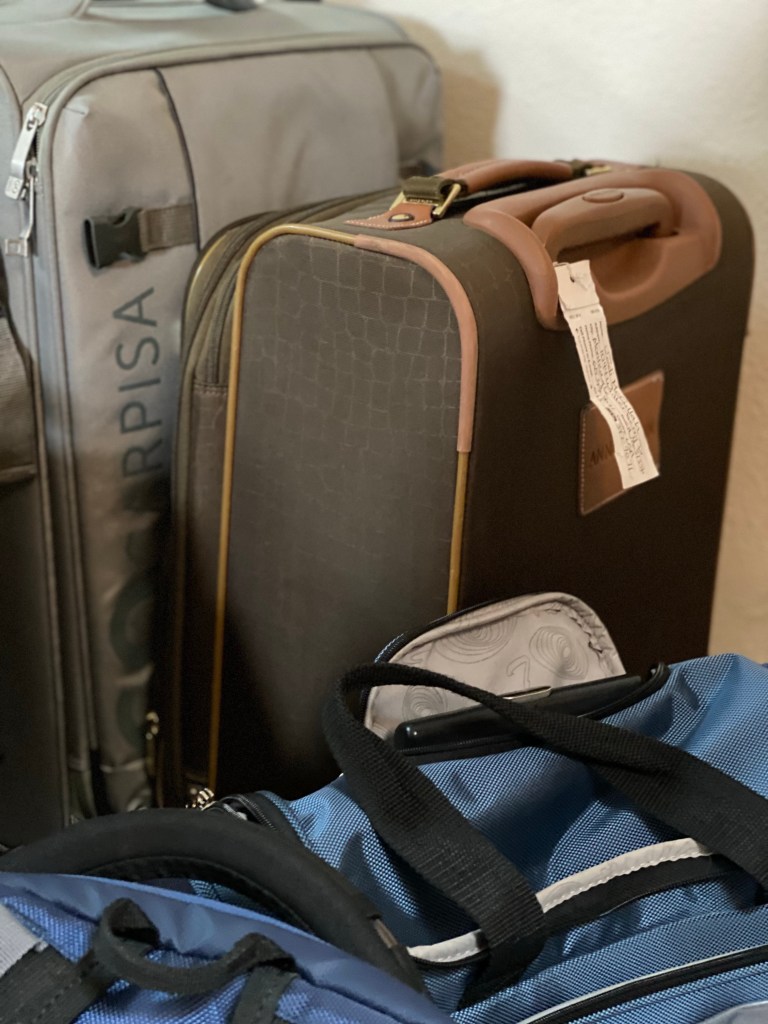
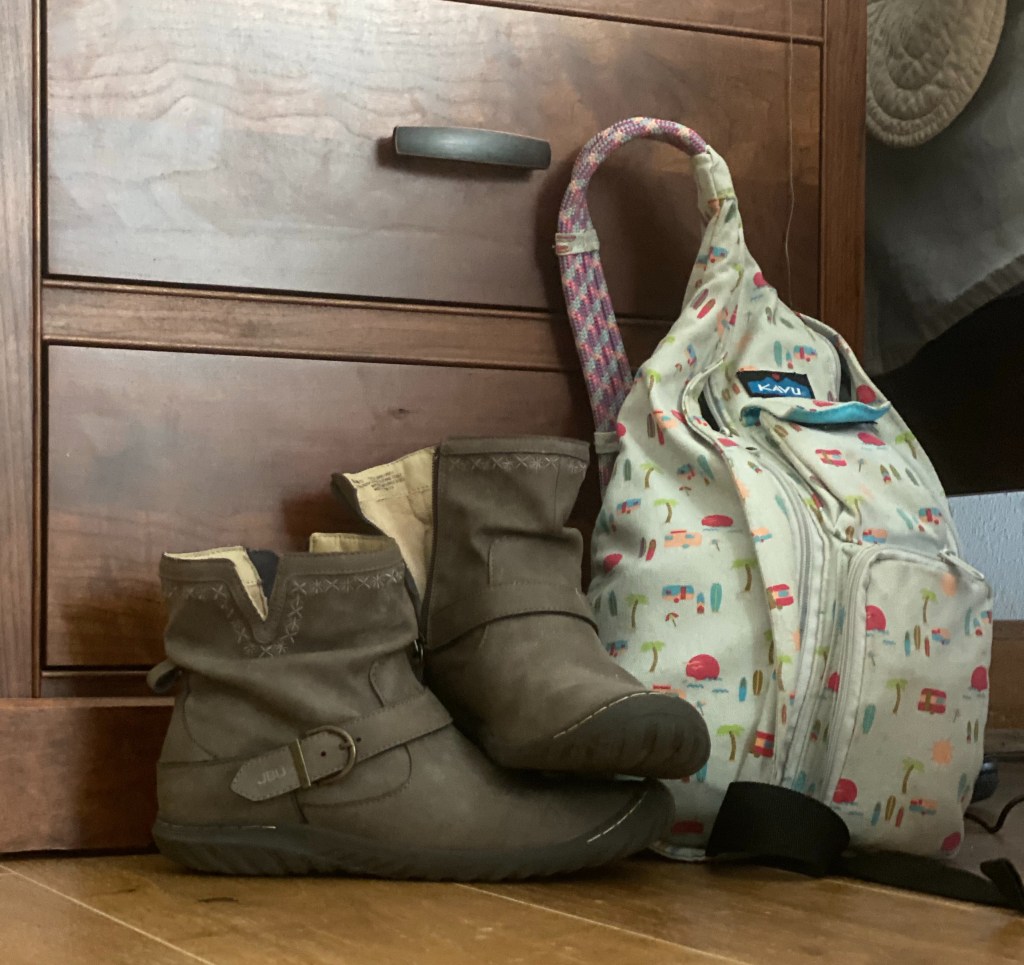
Getting older helped: I started wearing more sensible shoes all the time so boots in the car weren’t major safety concerns anymore!

(Photo by Jodi McCullah, 2023. All rights reserved.)

Why, though?

Watching my responses over the years, though, I know, has perhaps caused some folks who know me to think I’m just paranoid or hypersensitive for no good reason. This blog is, in part, an attempt to explain that behavior to those who do not understand. Writing about what has been in that backpack for so long is also for my tribe, for all those other folks who also were awakened in the night by a touch that taught us to be afraid of touch. We share this because we know “just in case” has come before.

I still struggle to say I am proud of all of this. I wish we were still innocents. I wish we did not know what we know. I wish we had different stories to tell. The things we feared, though, were real for us and we did not have the luxury of going through a day without being hypervigilant, without knowing firsthand that sometimes the unthinkable does happen. Sometimes, for some people, the darkness IS dangerous. To survive then, sometimes you do what you gotta do for the time being and, once it’s safer, you can work on growing, healing and learning other ways to take care of yourself. I am grateful, then, for all of you with boots in your car and a pack slung over your shoulder. Maybe it wasn’t always pretty, but we made it.
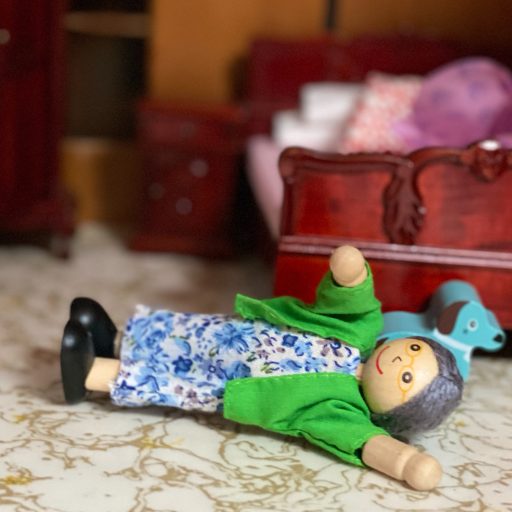
Because we were prepared, and we escaped, we can live into new possibilities; we can embrace the reality that the frightening place we came from is not all there is out there. (Photo by Jodi McCullah, 2023. All rights reserved.)

As I was writing this, I wondered why the photo below spoke to me and now I realize it’s because what’s around that corner in Venice promises to be beautful and hopeful and exciting. I celebrate all those survival skills, including learning over time that we will find what we need, AND learning to let ourselves ask for and accept help. Good news: there ARE others who do “that.” We are not alone and there are those who love us anyway. Embrace your backpack then or your boots until you don’t need them, then thank them for getting you this far and go see what’s around that next corner! You’ve got this!

Venice, Italy, 2022, photo by Jodi McCullah. All rights reserved.

Leave me a comment: what was in your survival kit?

Leave a comment

What Tolstoy Said….

All happy families are alike, but every unhappy family is unhappy in its own way.

Leo Tolstoy, Anna Karenina, 1878

People who are happy are not paying attention. And probably stupid.

Me, 2005 in a seminary class (Yeah, I’m not proud of that.)

We all learn lessons growing up. Some friends tell me today about learning how to hold their own in a fist fight or how to plait hair or how to make a decent pie crust. Those tend to be the friends whose families do not match the same clinical dysfunction criteria mine did. Warning: some of this post might be triggering for readers. Take care of yourself, please.

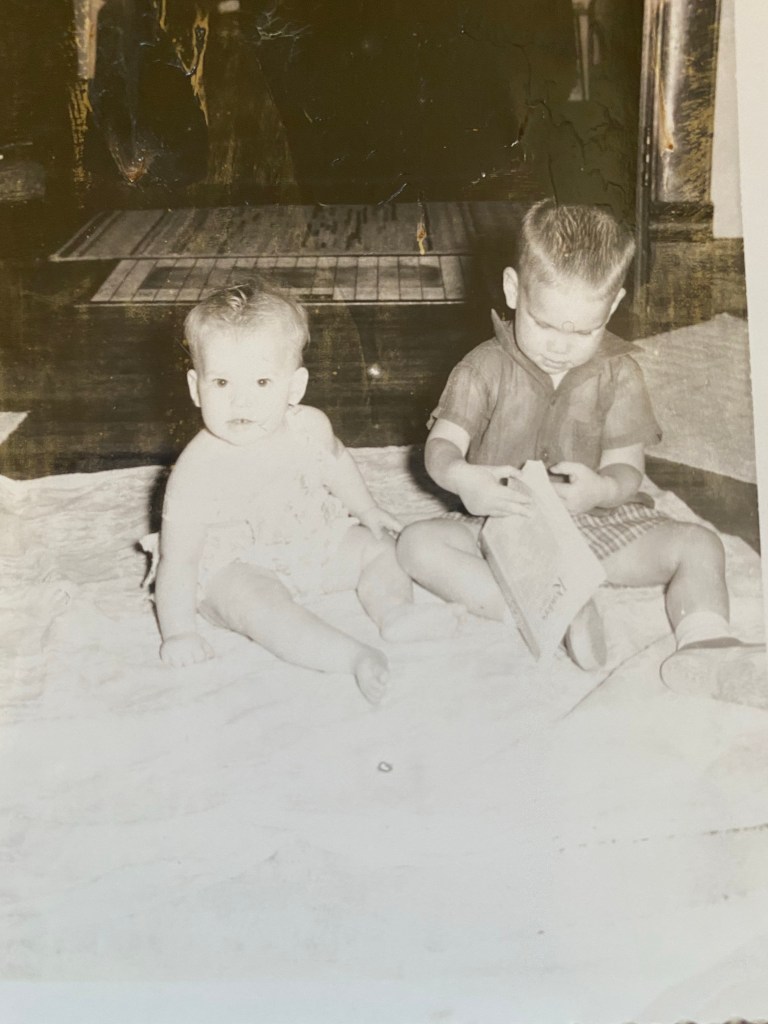
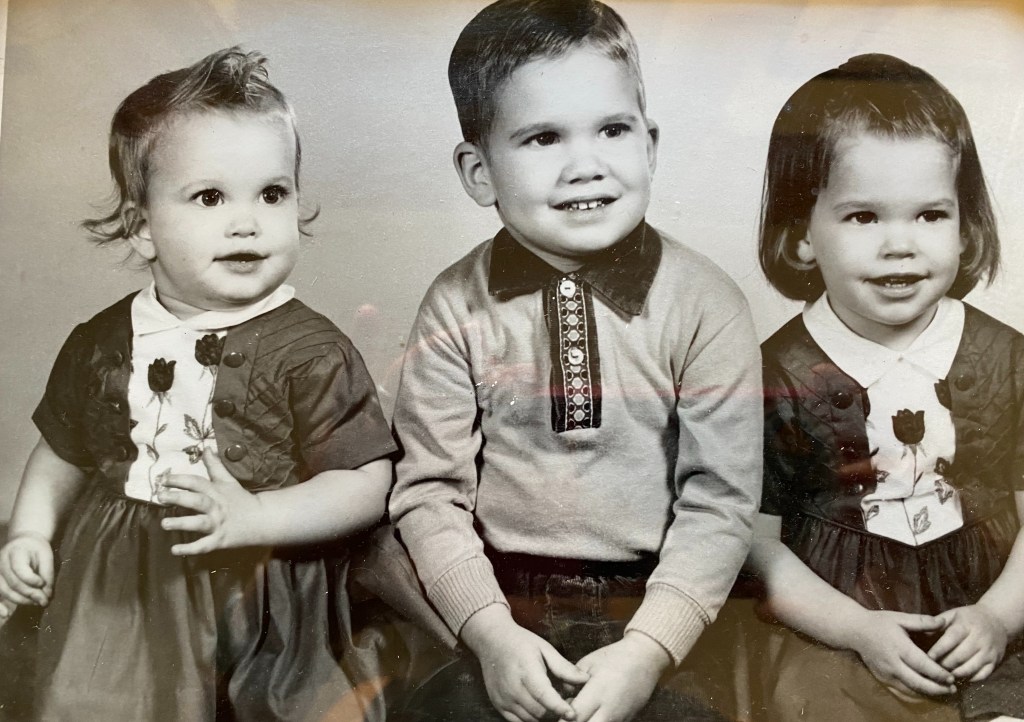
Little sister, older brother and me in happier times. Circa 1962.

If you looked at my family tree, you’d see the roots are severed. I am grateful, though, that the tree trunk has survived and flowered nonetheless. While I have been cut off from my family of origin for more than a decade, I am so very grateful for my husband, my sons, my granddaughter and my husband’s large extended family. I do not lack for people who care about me; what I was not able to produce for some time, though, was a witness to much of my life before the break with my parents, siblings and extended family. I lacked someone who could pick me out of the class photo (usually one of the taller kids on the back row). Missing was anyone who knew I didn’t usually eat my birthday cake, only the icing, or that I read every biography and autobiography in my elementary school library and that I grieved when I finished books because, for the few hours when I was reading, I was able to wander around in another space and time – one that was not mine. I lacked anyone who could give a witness to any of the reasons why I thought for so long that happy people were not paying attention to the pain in life.

Can I get a witness?

When asked to describe my family as I was growing up, I’d explain: you could be lying on the braided rug in the living room, devastated, distraught, lost, and sobbing, and every member of my family would step around you at best. Or, at worst, they would chastize you for your selfishness: just look how you are upsetting everyone else by your pain! Not only did we NOT hold onto one another in times of crisis or pain, we denied one another’s right to be in pain. “How long you gonna be a victim?” was what was asked of me by a family member after she’d heard I was in counseling for being assaulted as a teen. I was in my early twenties. I had just remembered the assault that I had blocked out of my consciousness for several years because it was just too painful to remember. I had only just begun counseling and I felt her rebuke keenly. There was evidently no place in our family for that. She, a woman thirty years older and presumably three decades wiser, could not cotton my taking any time to understand and come to terms with what had happened to me. Today, thanks to counselors and learning about trauma, I would be able to put my hand on her arm and reassure her that she would never need to listen to my struggles. I would also explain to her that recovering from trauma requires some reflection, though, and some help understanding what happened and more than a little work to heal. I would assure her I certainly did my part to finish that work – to come home from the journey someone else started me on. I would also plan to be there for her if she ever felt like she could share her own pain.

Sadly, family breaks are more common in my family than not, though, so, when the relationship with my mother’s family was severed, our entire nuclear family was already split from Dad’s people. As an adult, I started a genealogical search only to find I had a great-grandmother living about an hour away by car until I was a teen whom I hadn’t known existed. I asked my parents at the time and was told “We didn’t like her very much.” Later, I found an old family photo with one woman’s face scratched out completely (and she had been sitting next to her twin brother in the photo!). What do you have to do, for goodness, to get completely scratched out of existence? Evidently, severing ties, splitting up was the response of choice for my people.

In the past few years, though, through the magic of the internet, I have been able to reunite with some folks from my childhood. While for some, that can be a hilarious trip down a bumpy old memory lane, for others of us, restablishing connections can be healing and grounding. As a sixty-something woman estranged from her entire family of birth for more than a decade, finding these old friends had been spurred by the need to find folks who could vouch for my previous life.

This, then, is a post about my friends from childhood and teen years reconnecting and discovering how little we knew about each other in spite of how close we thought we were.

Photo by Malcolm Hill on Pexels.com

I was always jealous of those who stayed close to their friends long after school; I believe now that most of my friendships were more akin to life boats in the midst of stormy seas. Survival was the goal, and perhaps we knew instinctively that two or three strands of rope were stronger than one, so we held onto one another. Once we found ourselves in new oceans, though, we grabbed onto new, different life connections, and let go of the old ones, not because we were inconsiderate or uncaring but out of necessity. No one had time or energy to look back; survival was the priority.

Puzzle Pieces

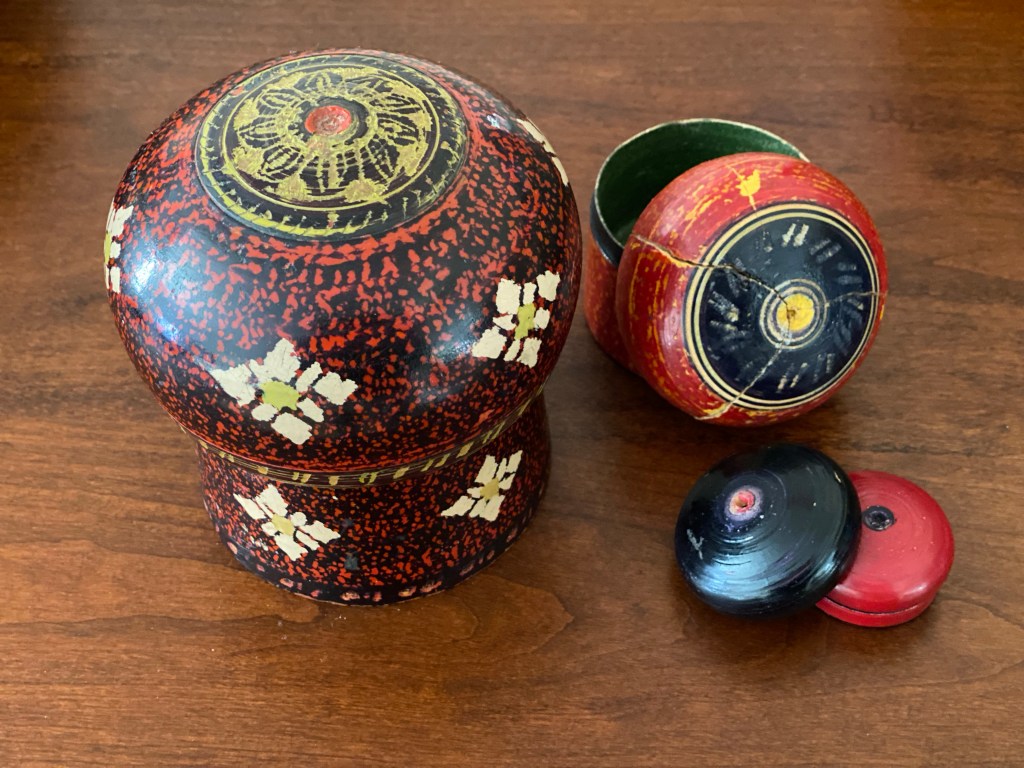
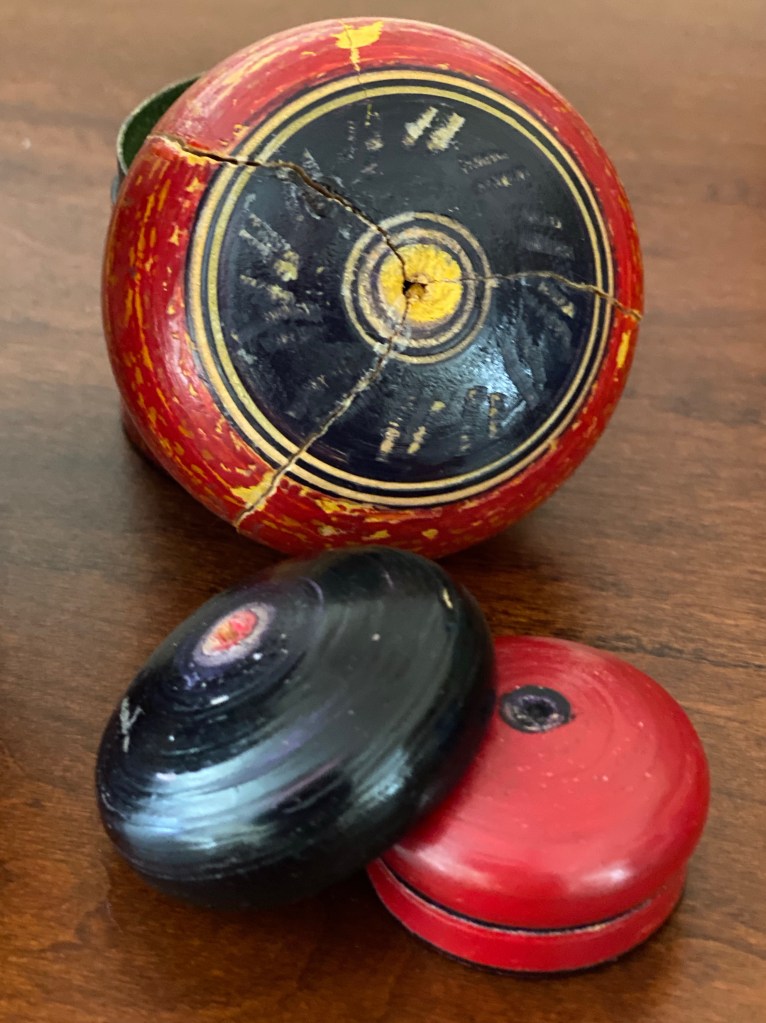
Trauma, though, can leave fragmented memories. One definition of trauma is that we remember all too well what we cannot forget but struggle to remember all the pieces in between – the rest of the story. I have long been embarrassed at being unable to remember large chunks of my life because I didn’t realize how large was the shadow of trauma and how it can so deeply darken the rest of our lives. The details, so many pieces, seem lost, scattered, in my case, all over the world like a favorite nesting toy. Through more than seventeen moves before I was old enough to leave home, curiously, I have somehow held onto most of a wooden nesting toy from Pakistan, where we lived when I was a child (stories for another post.) Some of the pieces are missing and others have been glued back together; today they serve as an apt metaphor for the struggle to repair and hold together memories of traumatic childhoods.

Comparing Notes

Once we reconnected, my friends and I began comparing notes. One childhood friend thought I was an only child though I have two siblings and we are all just a year apart in age. One of us had grown up with an abusive father. She married four times before she got help and stopped getting herself into abusive relationships. Another lived with an older brother who we now realize was a sociopath. She had found not words for when, as a seven-year-old, he had cheated, stole and tried to be sexual with her. Weren’t there rules about that?

That no adult saw all of this meant it continued, and by the time she was eight, he had run her over with a bike causing her to need stitches and hit her in the head with cutting board causing more stitches, and routinely touched her inappropriately. “Just a rowdy boy, right? Just a kid who doesn’t like to lose, wasn’t he? He’ll grow out of that, we are certain.” She grew up searching for an adult – any adult – around her to be the adult and a witness to what she was experiencing. She knows now that her brother simply passed along his own pain.

Healing began when a counselor said, “You were not imagining this. You are hurt, angry because you were betrayed by parents who were supposed to take are of you. You have those feelings because you have a brain and eyes to see. You doubted yourself and what you saw and experienced because you were raised by parents who were overwhelmed by their own pain and shame and guilt; they had nothing to offer you for yours.” A teen aged girl, she wanted her mother to teach her to curl her hair; instead, she watched her mother threaten to cut herself.

While it was happening, though, none of us “knew.” As teens in the late 60’s and early 70’s, we braved new styles together: we traded bell bottoms and hip huggers and together we tried cheap strawberry wine behind the concession stand at the drive-in movies, but we never shared about home. We didn’t “know” even though we saw each other every day at school, ate lunches together, joined cheer club together, and moved around in a pack as if we were attached to each other by velcro. We were all taken aback when we collectively realized that none of us, though fast friends throughout junior high and high school, had ever visited the others’ homes. No sleepovers. No parties together. None of us had ever even met the others’ parents. We didn’t know why, but we all somehow understood one another. Somehow we saw in each other kindred, if broken, spirits, and we found respite in our time together.

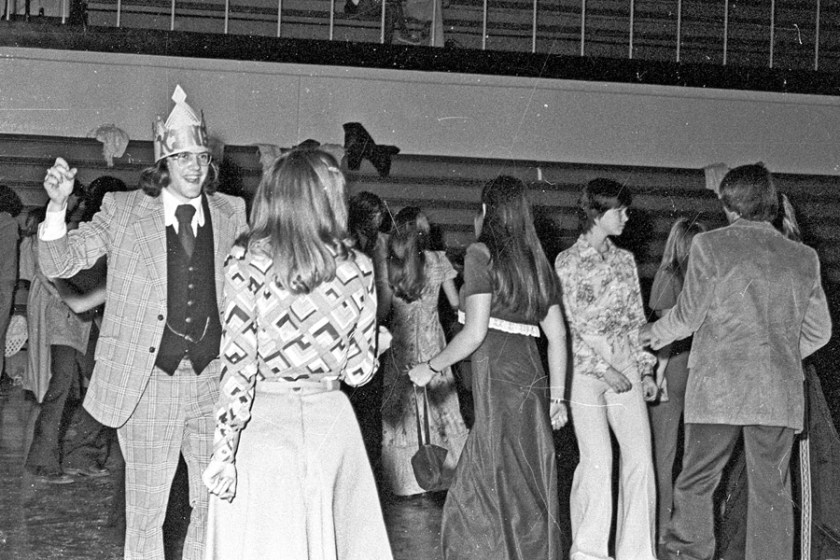
High School Dance 1973
We didn’t know how much we didn’t know.

Today, as the three of us somewhat gingerly share our memories, fragments and misunderstandings are beginning to make sense to us. Counselors and social scientists tell us now that we compartmentalised our lives, partly out of shame, partly to protect the others. We never spoke of life at home or after school; we kept those separate. In our defense, we didn’t often know what was going on in our homes wasn’t going on in everyone’s homes. Part of the power of dysfunction is that it simply seems like “that’s how it’s done, so why are you whining?” Or worse, we feared that the pain and chaos and constant crisis of our homes was somehow our own faults and if we’d only be better daughters….

Dysfunction, though, happens in shadows and darkness and thrives on secrecy.

We know now that each of us fought to get out of that darkness once we left those homes and we celebrate our individual efforts to keep our own lives in the light.

“The light came into the world, and people loved darkness more than the light, for their actions are evil. All who do wicked things hate the light for fear their actions will be exposed to the light.”

John 3:19b-20 CEB

What do we do differently?

We learned to encourage the children in our lives because each of us could remember at least one person who had encouraged us. Never underestimate the power of encouraging a child or teen; you may well be the only encouragement they receive.

We refuse to keep secrets. We ask tougher questions. When we see someone sobbing, we approach them gently and ask what we can do. If they don’t know or can’t answer, we sit down with them and wait until they are calmer. We hold sacred space for our own pain and for theirs.

One of the three of us refuses, even when facing family verbal and emotional abuse herself, to walk away completely herself because of a child in the extended family; she doesn’t want the child to feel alone. She knows how important it is for someone to say, “I see you. I see what happened. I see how confusing it must be.”

One of us worked hard to figure out why she kept getting herself into abusive relationships over the years and now she is able to choose healthier relationships and she doesn’t need to hide that relationship from us.

None of our parents paid any attention to where we went or with whom, so we each had resolved to offer our children a healthier childhood, making sure their friends knew us and we knew the parents of their friends.

We also grieve those who did not make it; each of us has family members still hurting, still in the darkness, unable for a variety of reasons to find their way out. We are grateful and we do not take our own growth for granted.

Okay, sharing isn’t always “nice,” but it IS healing.

The tagline on this blog is “Sharing is nice.” That is my witness. Sharing is difficult. Sharing is scary. Sharing is necessary. Sharing is essential. Sharing is healing. Sharing is powerful.

The good news is that we all found healing because we shared. There’s help out there and hope and healing and lots of folks who are called to listen and trained to help us when we share. Make sure you find someone who is trained and, if you don’t feel like you are being heard or they are helping, find someone else.

Several years after my aunt’s rebuke and her impatience with my healing process, I shared with a female friend at church. Sharing with the counselor had helped but the counselor wisely encouraged me to share with a friend. Me sharing, the counselor explained, can also create that sacred space where others find healing, too. That is the power of sharing. Choose someone safe, she said, but share. When we share safely, we create a safe place for ourselves and often for others, a place of healing. Amazingly, pain shared safely dissipates and loses its power over us.

Ask before you share with anyone other than a professional. Be aware that your trauma might trigger theirs. Always ask permission but ask and keep asking until you find someone to listen.

I did share and my friend was lovely and listened and the moment felt healing. The next day, though, her husband dropped by and stunned me when he said, “Mary told me what you told her.” I felt betrayed. How had Mary not known that I would not want others, especially men, to know? How dare she share my story? It was not hers to share.

“You just need to get over it,” he demanded. And suddently there I was again, back home, back where we keep our pain and illness in the dark, back where we keep secrets. I felt my pain rise up and choke me.

This time, however, I was different. This time it was the thought of going back into the darkness that had turned my stomach. “As it happens,” I told him, trying not to vomit, “healing apparently will only happen if I walk through the memory. They tell me I have to share to get well, so I’m gonna.” I was on the verge of apologizing to him for sharing with his wife because it had upset him so much when suddenly he sat down hard and started sobbing. Then he began his own sharing. He’d never talked about being a fighter pilot in VietNam and he desperately needed to tell someone. I don’t remember much of what he shared; what I do remember was being amazed that holding my own space for healing had created space for him. In that moment, he felt safe, too, and he stepped into that space for just a bit. We never talked again about his trauma or mine. Perhaps sharing helped him enough; perhaps he went on to seek more help because he, too, had seen the power of sharing.

Stepping out of the squirrel cage….

Mostly, the friends I reconnected with and I had individually found that, in an unexamined life, pain just gets passed down the line, generation to generation. We all were recipients of pain passed along, never knowing why or where it originated. The effects of trauma will keep rolling back around from generation to generation if no one stops long enough to find some healing and try to get out of that squirrel cage of crazy. Just ignoring the pain, or worse, denying its existence, guarantees the next generation will be expected to hold it, too, and they often have no idea the why or the where of that family trauma.

We may not have been able to protect our own children as well as we might have liked but it was not from lack of trying and we console ourselves by remembering that, because we have reflected, educated ourselves about trauma, shared with counselors, written and prayed, we have at least helped our children to get out of that damn cage. We may have done it clumsily, we may all be still rolling sometimes out of control on the floor after hurtling ourselves out of the cage, but we’re clear. We can take a breath. We can stop, stand back and reflect on that still-spinning wheel and maybe even pray for the family members still running on it. Because we are out, though, because we are talking, because we won’t hide any more, we have a fighting chance to NOT pass that trauma and dysfunction on down the line.

For a recent, well-done example of how trauma not shared can affect us and those around us, consider Tom Hanks’ movie, “A Man Called Otto,” or the book it’s based on, “A Man Called Ove,” by Fredrik Backman.

Commit = Finding My Nerve Again.

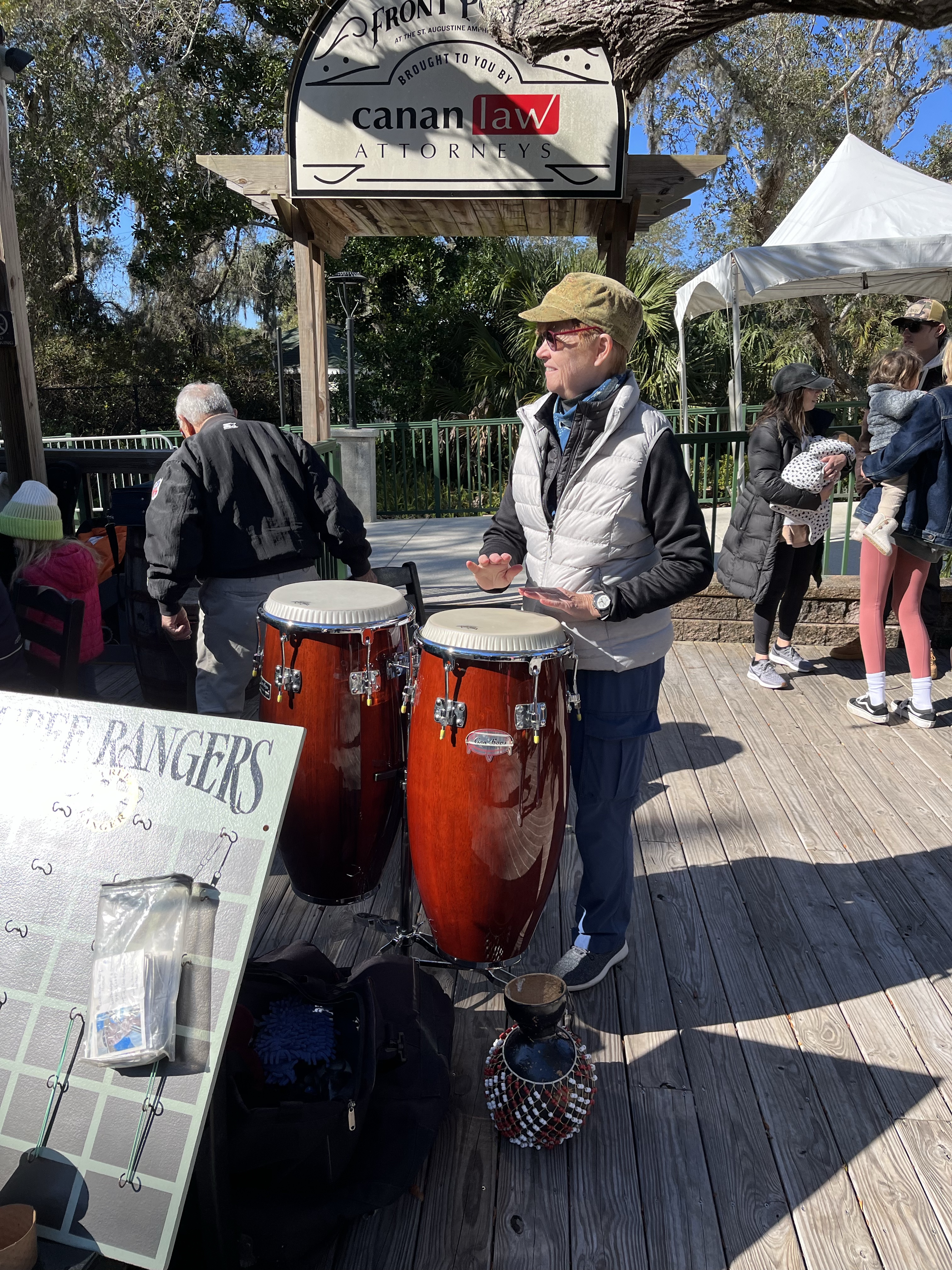
Good news this week from Papa Luie: You are never too old to learn something new! Papa Luie is the conga player who encouraged me to learn congas so I could make music with the Saturday morning music group playing at the St Augustine Farmers Market.

Actually, he said, “Learn conga or washboard. We need both.”

I chose conga, though I was more than a little intimidated. Now he’s teaching me and making a place for me to play music too. The lessons last week centered around some new patterns to practice, as well as three rules: 1) there are no rules for playing; 2) you’re never too old to learn; and 3) ya gotta commit. Papa Louie, whose age I will no longer try to guess, took up playing conga when he was 75. Yeah. Now he’s like my own personal Yoda and that is not because he is a head shorter than me. “There is no try. Only do. Commit… or go home to your recliner,” he said.

Commitment is the theme of the week: commit to not backing away, commit to not being timid but rather putting your back into the return of the ball in a volley, commit to the drive, commit to the first few notes of a verse. Commit or go home.

Photo Courtesy of Doug Mackenzie, Mackenzie Images, 2023

Commitment

Actually, commitment was this week’s lesson ad nauseum. From traffic, bluegrass music, pickleball, and life in general, I heard: Do not back away from what you want to or need to do.

The time is now to speed up a bit more when you enter traffic, to move forward, not backwards when you see the ball coming at you, and to sing out rather than wait for another chance.

Commit = speed up or move over?

As it was, the insistence of several noisy and angry drivers behind me was not so gentle after all, though. I confess they were justified in their angry gestures and (likely)rude comments; I was, in my mind, still driving in Monteagle, our bucolic and peaceful mountain (of course) town and summer home, where rush hour” means six cars, the speed limit on many roads is whatever you want it to be, and meandering drivers share the gravel roads with speeders. We don’t even have a stop light in Monteagle. That’s actually for safety’s sake. Besides the deer, the biggest danger for drivers in Monteagle is fog. We live at about 2000 feet elevation there, and the fog comes in and sets for a spell, has a cup of coffee and lingers far too long in the winter. Uninvited, the fog seems to camp out on our front lawn most of the winter, and, while it is pretty if you’re sitting by the fire looking out, driving in the fog is nerve-wracking for those of us who are already more timid drivers.

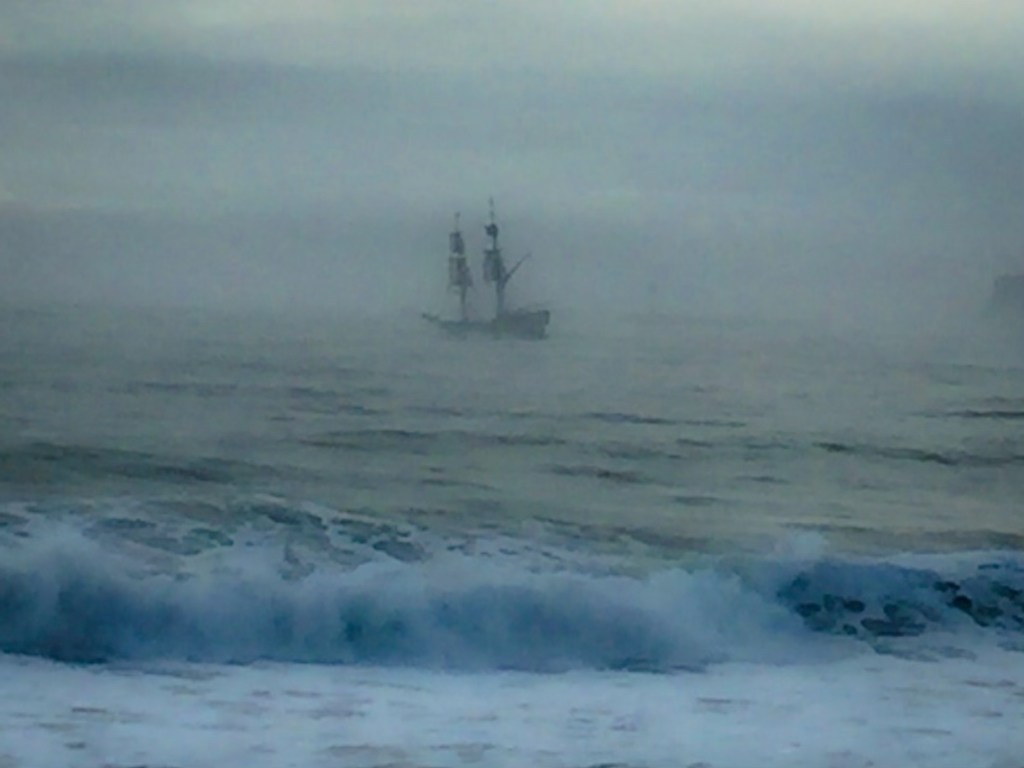
Ghost ship in the fog off California Coast
Photo Courtesy of Doug Mackenzie, Mackenzie Images.

The advice they give you for driving in the fog doesn’t help, either: “Roll down your window because you’ll hear the other cars before you see them.”

Driving in the fog 101: “Roll down your window because you’ll hear the other cars before you see them.”

Such dangerous driving conditions separate the timid drivers from the more aggressive ones; some drivers seem to see the fog as a reason to hit the accelerator. Wisdom dictates then that putting a stop light in downtown so some of us might be waiting to start or turn when another driver barrels through would be a foolish and short-lived experiment. Driving in Monteagle, though, usually allows me to meander, to notice who’s at the Piggly Wiggly when I drive by or decide if the line at the pharmacy is too long and I can wait to get those meds tomorrow. Driving in Florida, where we are “wintering,” however, does not tolerate, invite or accept any lack of commitment when I turn onto the road. Meander onto the Beach Highway at your own risk.

Wait, you might wonder: doesn’t being at the beach encourage you to meander? 

That’s the rub, as they say. (Pass the Coppertone.) So many folks now want to live where they can meander that others move to the beach to serve them beers and crab legs, to sell them big beach houses or to build newer, even bigger ones. All those folks are in a hurry; they have zero patience for meandering. The many interactions between those two groups of beach dwellers as well as the struggle many visitors have with being able to slow down while on vacation combine to create what is the social ebb and flow of today’s beach life. Meander onto the Beach highway then at your own peril. You have to commit, to turn onto the road and be ready to accelerate immediately, not after you’ve checked the sidewalks for neighbors out walking dogs. They’re out there dodging traffic themselves as they make their way to the quiet of the actual beach, where we all have permission not to commit to much of anything except meandering.

Commit = Don’t Back Away

“Commit.” Be ready to accelerate. Be ready to hit that ball when it comes your way on the pickleball court or accept being in the losing team most of the time. “Don’t back away,” Steve, my partner in several games yesterday, encouraged me. “It [the ball] won’t hurt you,” he said. (Actually it does sting, but not as badly as always losing or worse being the one person no one wants to play with because you let the ball go by too often.) “Stand your ground,” he said, gently, but with some insistence. “You’re not here to watch, right?” Steve is older than I am, slender and wiry, clearly someone who has always been athletic. He sports a neatly-trimmed beard and is the kind of consistent player I’d like to be.  “You didn’t start playing this game to watch the ball go by,” he says.  Steve makes it look so easy to keep the ball in play without being aggressive.  I find his coaching to be so much more compelling precisely because he isn’t one of the “Every shot is a kill shot” players.  Those guys tell me not to back up and watch the ball go by as well but, in my thinking, they are suspect because their response to aggressive play is more aggressive play. “If the ball is hit hard, hit it back even harder.”  Steve, though, is himself trying to navigate the game by being assertive rather than aggressive, and I really appreciate the distinction.  

Assertive Does Not Equal Aggressive

Coaches and Instructors have shown me how to practice returning those more aggressive volleys, they’ve shown me how to use my torso to garner greater strength myself, they’ve even taught me, at my request, how to slow down someone else’s aggressive volley. That takes a lot of practice. And commitment. We haven’t talked, though, about the struggles of those of us who have been intimidated around more aggressive folks all our lives. Easily half the pickleball players out there struggle when facing more aggressive players, which can be especially disappointing in light of the fact that many players take up the sport as much for the social outlet as for the workout or the competition. We’ve wondered more than a few times if this was really our game since we don’t want to be aggressive ourselves and so many players seem to embrace the aggressive potential of the pickleball. 

I’m grateful I realized, though, that the encouragement from Steve was not whether to be aggressive but whether or not to stand my ground as best I could, to take my place as one of the players on the court for that particular game, or simply to give it up. Instead, his encouragement was just that: encouraging. He was suggesting I needed to see how it feels to claim my space. That’s not the same as being aggressive. Aggressive players want their space and mine. I have the option of walking away and letting aggressive players have my space, or, I have the option of standing my ground and that, Steve was trying to tell me, is satisfying and even empowering and is why many of us play. I’m actually okay( with not winning all the time. Well, most of the time.) I’m good so long as matches are close games and include lots of good volleys and points. I don’t like getting “pickled” (losing 11-0) any more than the next player, but, mostly, the fun comes when the games are fairly evenly matched. A game where one server simply aces every serve bores most of us. Like most every other player, I’m here on the court to try to improve my skills, to compete, and to play. “You gotta commit,though,” Steve said. “You aren’t out here to watch the ball go by.”

Commit = Sing Out

That message seems to be everywhere right now.  The next step in my joining in with the Saturday morning jam session at the St. Augustine Farmers Market (see previous post about setting goals) is being allowed to sing a song or two, and I’ve been practicing to meet that goal. I’ve been studying bluegrass singing techniques, practicing finding the tenor or baritone line above or below the melody and learning lyrics to old bluegrass songs. 

“Commit,” Annie said. Annie took up banjo later in life also and she gets my hesitation but she knows hesitation is not a singer’s friend.  “You gotta hit that note or it’Il sound like you’re being strangled,” she says. 

At a session in the near future, I’m gonna have to ask to sing lead but first they need to hear me harmonize and so I’ve been joining on Mondays with a smaller group to harmonize and offer percussion. 

Talking about singing won’t get me anywhere, though; they need to hear me sing. So, this week I jumped in with that smaller group and, while I’m not sure my tenor line wasn’t flat, I committed. I sang loudly enough to be heard or so I thought. Let’s just say the invitations to sing did not come flying in, though, and it was clear heading into the larger jam session this week that I would have to work that much harder at  overcoming my timidity. My desire to participate needed to outweigh the tendency to shrink back into the wings, to stay on the fringe, not risk being bad at this. 

My desire to participate needed to outweigh the tendency to shrink back into the wings, to stay on the fringe, not risk being bad at this. 

I used to have nerve until…

I’m pretty sure I was considerably more self-assured, bolder even, when I was younger. I did not hesitate to enter the flow of traffic using only peripheral vision to scan lanes while I pedaled a ten-speed bicycle into city traffic. I didn’t think twice about riding at night through town or riding alone even in the dark. That, though, was before I realized I was mortal. 

Perhaps realizing you will not actually live forever is something most folks don’t realize until they are “up in years” as my grandmother used to say, or declining in health or strength. Some of us can point to a moment when we lost at least some of our nerve, though, because we suddenly realized, “Hey, we could die.” Until that time, many of us had ridden or skated or raced through life, jumped trestles, run stop signs and woven through traffic like our favorite friend of Mario. Life – or at least the possibility of it ending – first slapped me upside the head when I was about eighteen. I was biking to a college class, weaving in and out of city traffic and, of course, wearing no helmet. No one wore them back then. I stopped at a light next to a semi. The light changed and I started pedaling just as the truck  turned my way, dragging me and my ten-speed along the road. Another driver evidently alerted him to the bicycle and rider he had been trying to crush, and, thank God, he stopped. I remember thinking, as I was being dragged, that those big rigs looked even more menacing from underneath. When the dragging stopped, I laid my head on the pavement for a moment, grateful that my bike had protected me from the truck’s tires. I phoned home and got a ride to my classes.  

…that moment when I realized I am mortal after all.

Maybe realizing I could die, that I was not going to live forever, ought to have compelled me to trade up from my ten-speed to something more substantial—a small tank, for instance—but mine and my parents’ response at the time was to get me a motorcycle. Maybe we figured I’d be able to outrun the big rigs. I got a couple of lessons from the guy at the dealership, then the salesman said I was good to go and so I went. I had to get to work and school, and, with two adults and three driving teens in the family, we simply could not afford a car just for me. 

Like so much else, the motorcycle worked for a while, right up until I woke up in the back of an ambulance.  Thing is, I wasn’t driving that motorcycle when we wrecked; my mother and I had decided together that she ought to learn to drive the motorcycle as well.  Yes, my mother was driving and no, she had not taken the lessons.  In retrospect, that was not exactly a shining moment for either mother or daughter.  I have long regretted climbing on the back of that little Yamaha 250 to share with my mother my vast experience handling a motorcycle. In our defense, we lived on a small road where the only regular traffic consisted of neighbors pulling into their driveways.  The road did, however, dump out onto a busier road so while Mom did well driving down our road away from calamity, the trip back required she remember how to apply the brakes and, well, that didn’t happen. It was a bonafide miracle that we ran into the side of that car; if we’d been going another mile per hour faster, he likely would have hit us full on and shoved us into ongoing traffic. As it was, I was thrown backwards onto our road. Thank God we were wearing helmets. Mine was cracked; that’ll tell you something about impact. I woke up in the ambulance the first time, looked at the EMT and asked him what day it was. He got flustered and couldn’t tell me and I remember thinking that, if the EMT didn’t know what day it was, what chance did I have to figure it out? A nurse told me when I awoke again later in the hospital that I had upset the EMT.  Poor guy, he was not much older than I was, and it had been his first day. I would like to be able to tell you that he wore the uniform well or that he visited me in the ER and I found his blue eyes haunting.  Instead, I wonder to this day if he had any personal thoughts about mortality when he saw a girl his age lying next to her mother on the pavement unconscious. 

The physical effects for both my mother and me were miraculously minor. We each had a concussion and lots of scrapes but those injuries were far less memorable than the tension and strain of living in our home for the next few weeks. I did apologize several times over the next few weeks to my father without much effect. He couldn’t speak to me or my mother for several weeks even though neither of us were injured worse than we were.  He didn’t even lecture me when he showed up in a used car for me to drive from then on. 

I can show you the scars on my legs nearly five decades later, but the greater impact of those two incidents was that I was no longer confident about much of anything and my go-to response for anything coming at me fast was to curl up like an armadillo and hope whatever it was would bounce off me. This is the red carpet of trauma I have been trying to unfurl now for years and lately, life has been saying in so many ways, it’s time.   

…lately, life has been saying in so many ways, it’s time for me to find my nerve again.   

Everywhere I turn in the past few months, weeks, days, I see or hear encouragement to commit, to overcome the tendency to sit back and let the ball go by or miss my chance to make music. Yesterday, Annie, who gets my hesitation, took matters into her own hands and shoved me up front to where the microphone was so I could sing that tenor line on “Roll in My Sweet Baby’s Arms.” It’s apparently time. Being thrown onto the pavement was neither the beginning nor the end of trauma for me; but, after decades of watching too much of my life go by, it seems the universe is urging me to accelerate back into the midst of life’s flow, to not just sit and watch the ball go by, to risk being the one making music and to not simply stay on the sidelines any more.

“There is no try. Only do. Commit… or go home to your recliner.”

Papa Luie

Be the pebble. One answer to the unimaginable.

For several months last year, I was invited to join a group of women from all over western and middle Tennessee, some clergywomen, some lay leaders in their churches.  We gathered virtually because we shared a sad truth: a colleague and friend had been taken from us suddenly, shot in her own driveway during a carjacking.

I had not known any of these women before this group convened, but I am so very grateful that they all agreed to convene for those few months – and to invite me – to share our grief and pain and try to make some, any, if possible, sense of this tragedy. Some of the participants had known this woman for years; others of us had only known her a short while, but we all grieved what felt like a future filled with hope and ministry. She was likely going to be a Bishop some day, not because she was someone who was well-loved but because she was someone who loved well. That future was denied suddenly not by someone who had judged her ministry or intentions or love as lacking, but by a total stranger, someone who never had and now never would feel the love she had to offer him.

Within just a few weeks following her murder, we stepped into a virtual room, and invoked the words so many of us had shared in the funerals we had presided over. We affirmed that we had come together in our grief, acknowledging our human loss and praying that God would grant us grace. We also prayed that, in our pain we may find comfort, and in our sorrow, we might find hope.  We especially, collectively, wanted to find ways to honor our friend. 

It’s not necessarily a new idea to say we are called to honor those who are now gone who’ve loved, nurtured, forgiven or supported and encouraged us by doing the same. It just may be a bit tougher to process our emotions after the loss is a shock or especially an act of violence, because violence always leaves in its wake more victims than are seen by the naked eye. Be assured, most of us could acknowledge our privilege in not facing this kind of loss before; we also recognized what a gift it was that we could take the needed time to grieve and to find some guidance and companions for this process. Plenty of folks do not share that luxury, we knew. 

Nevertheless, to say the sheer aggression and randomness of this event knocked us down is insufficient. We all know that bad things happen to even the best of people, but somehow some of us thought – hoped – there was a line the people of God would not cross. I mean, if you’re willing to kill a preacher, who stands a chance? We were shaken individually and collectively and so I am grateful that our colleague’s legacy brought us together. A few of the women realized that, if our friend had been the one left in shock and pain, this is what she’d do. She would gather us all in. She was all about sharing, listening, reflecting and holding hands in our fear and our pain. Over the next few months, then, we talked about how this trauma affected us, mentally, spiritually, emotionally and theologically.  We seemed to know that she would encourage us to ask our questions, something most of us in this world have been conditioned to avoid, even if we do have the time. Through our theological and faith journeys, though, through pursuing our callings, many of us in the group had been exposed to and become somewhat practiced in reflection, in the art of asking questions, and, perhaps most importantly, in sitting with questions that are not accompanied by satisfying answers. 

Aggressive, blunt, unanswered and unanswerable questions most definitely were part of these group meetings; they sat next to us, sometimes gently nudging us, sometimes poking us with bony fingers, often angering and annoying us, always taking up space and reminding us they were not going away.  So, we chose to embrace them, to welcome them into our space, albeit a bit begrudgingly, buoyed by the fact that we were not alone.  

“After all these years I have begun to wonder if the secret of living well is not in having all the answers but in pursuing unanswerable questions in good company.”

Remen, Rachel Naomi. My Grandfather’s Blessings: Stories of Strength, Refuge, and Belonging . Penguin Publishing Group. Kindle Edition.

We shared from various resources: prayers, poems, stories, theological pieces and we asked ourselves, How then shall we live?

To get there, we shared questions about our colleague like: How can one person be someone whom everyone felt like they knew? This woman saw you. I could easily spend the rest of my life trying to see every person that I encounter as well as she did; it is a spiritual practice that I will likely never master but one that she embodied. She saw each of us and even if you only met her once, you left her presence knowing she still somehow held you as tightly and lovingly as she did everyone she saw. I would have liked to ask her more about this; how did she manage it? Did she consciously focus only on who was right in front of her? How was she able to tune out the rest of the world so successfully as to make you feel like not so much the center of the universe but seen. And heard. She saw you. Most of us go through life not feeling truly seen or heard and yet, sadly, that is often all we want. Many an argument or estrangement likely would be quelled or mended if each participant were able to take a turn seeing and hearing the other fully. She seemed to know that.

How Then Shall We Live?

Throughout the sessions over last fall, I found myself counting how many people who were now missing from my life after this year: friends, colleagues, family members.

Sadly, I am grateful that a couple of them are no longer here to harm others. I spent a great deal of my life learning how NOT to follow in those footsteps. I also, though, came to recognize them as human beings, not monsters, and to acknowledge I have my own failings. I hate knowing that. I hate knowing I am capable of being ugly and of wounding others.  I hate knowing that too often what annoys me in others is what annoys me about myself.  All of that knowledge means I must go forward with self-assessment that is as rigorous as my judgment of others AND I must offer grace that is as unearned as the grace I receive. The question there was what did I learn about myself from that person?

I am grateful though to declare that most of those whom I have lost have blessed me.  All of those I lost this past twelve months, including my colleague, I now realize, left me with the question on my life: how will I live going forward so as to reflect how I have been changed by their influence on my life? How, then, will I live now in light of what they taught me, whether it be because I want to honor them or because I want to never fall into their footsteps: what gift will I give the world now that they are no longer here?  

Photo by Scott Webb on Pexels.com

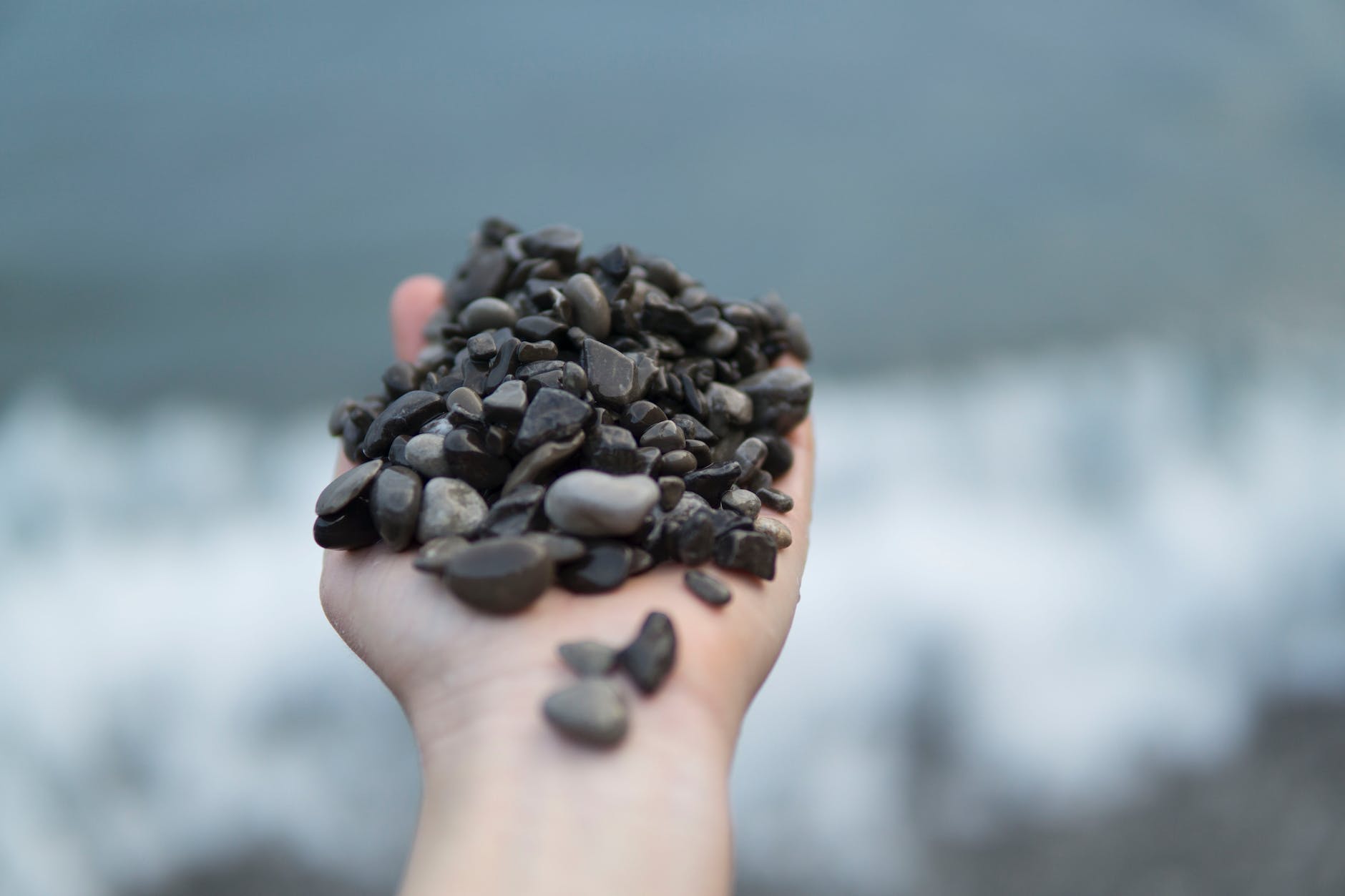
Questions, then, I thought, might be the answer, if that’s possible.  I shared with the group one of the understandings of a Scripture passage that another colleague had helped me to see differently years ago.  The Scripture was about the widow and the judge in Luke 18:1-8.  The story is often interpreted that the judge is God and the widow has to badger God – the judge – to get heard and to receive justice.  Another colleague years ago saw the story differently and preached that the widow in the story instead was God and God (the widow) would continue to beseech the powers that be (the judges) in our world to do the right thing.  God would continue to be the pebble in the shoe, she preached, that made us stop in our tracks and take care of that annoying pain that we feel every step we take.  God will continue to try to make us stop long enough perhaps to think, to listen, to pray, to see one another.  The story when I read it now reminds me, calls me, to be the pebble, to keep the hard, stony, annoying truths in front of folks I know.  

God calls us to BE the pebble. Ask – lovingly – the difficult questions. Keep the hard, stony, annoying truths in front of the folks we know.

We lamented that there was no going back to our blissful ignorance, no chance now we could pretend we or those whom we loved were safe.  One thing that is certain about hatred, ugliness, violence, is that once you know, you can’t “unknow.” Most of us in our world today learn at such early ages that violence and meanness and the ability to harm others is part of our world but being the target or even knowing the target of someone else’s violent behavior, even and maybe especially if that target appears random, moves us into darker places emotionally, spiritually, mentally.  

One of the toughest conversations was, no surprise, about guns and gun violence. I do not believe I am breaking confidence to say that we were keenly aware of the difficulty we live into everyday in our country of how to deal with what has become an epidemic.  

He was just a child still himself who pulled the trigger and took this life. In light of how much gun violence has become part of so many children’s lives, I offered the image of our society as a body where this bullet’s wound was not the only injury or illness that needed to be addressed in this tragedy. The image of a body with multiple system failures came to mind for me as we talked about how we had failed this child as well, the child who had murdered her, lamenting how he had gotten to that place, into that car, with that gun. The questions became: What had gotten him to the point where another human being was worth less than that car?  Don’t we need to know that process? Where in his young life was he ever seen? 

The questions we all needed to ask ourselves and one another became: What had gotten him to the point where another human being was worth less than a car? Don’t we need to know that process? Where in his young life was he ever seen?

For help with tough questions, I suggested this resource:  “When Thoughts and Prayers Aren’t Enough: A Shooting Survivor’s Journey into the Realities of Gun Violence,” by Taylor Schumann, a victim of gun violence, a Christian and a strong advocate for the right to own and bear arms.  Her offering in this book is as honest a discussion of faith and firearms as I have seen thus far and it is a true gift to those who do not know what to say but feel called to participate in reflection and discussion.  We put seatbelts in our cars to help protect our children when auto accidents were the number one killer; we need to stop the yelling and figure this out for our children’s sake.  Schumann offers intelligent, faith-led, personal and compelling points to add to the discussion, pebbles, if you will, that we can cast into our collective path. 

Moving Forward

How then would we go forward was the overarching question. How we each had thought we would be going forward in our lives was mostly changed but not canceled, we realized, but this sudden loss. I grieved having postponed working together until after my retirement.  I had so many questions I was looking forward to asking her when we would be working together. Each of us was challenged to ask ourselves, “How will I live now?” We realized we had already started moving forward and had chosen to live differently by simply inviting and agreeing to meet over the course of those months, by sharing and holding one another in grief, by sharing resources that inspired us (and often which we hoped might answer some of those pesky questions). Already we were living with intention, living in response to this trauma and tragedy, living in a way that would honor her (and more importantly we knew to her,) living in a way that recognized the power and gift of connecting. We would commit each of us to continue using our platforms (sermons, Bible studies, book clubs) to replicate these conversations, to offer them to others, to hold hands with, to sit with, to see each person who came before us and to ask the questions.

Photo by Elle Hughes on Pexels.com

For myself, I believe my beloved colleague would encourage me this Christmas and every Christmas going forward to seek to “Be that pebble in the shoes of those who are in power and ask the questions that need asking.” No question, my friend saw me or you like she saw everyone, it seemed; she made each of us feel seen.  Spending time in her presence, though, also meant you had to keep stooping down to remove the occasional pebble from your shoe because it was either that or limp forever.  She did this lovingly and you knew as you stooped down to scoop out that pebble that she meant to be loving to you and to everyone else who might be affected. “It’s all right,” she seemed to be saying in a loving and gentle way, “I’ll wait while you tend to that.” 

Who knew that a handful of pebbles could be such a sacred Christmas gift? 

Lessons From the Ocean

Full disclaimer: I love the ocean. I will likely write about it often.

I breathe better when I am near the ocean. I flourish when I am warm and can bury my toes in the sand. I used to feel guilty about wanting to be at the ocean all of the time until I finally found others like me. People used to call me lazy when I talked about how I was looking to find work near the ocean, near the beach, near the waves and the driftwood, as if only being willing to brave the cold and wind and aches and stiffness of winter made you a responsible and mature adult.

Suffice it to say, the ocean will be one of the topics I will write about here. Perhaps some of my unpacking thoughts will speak to you.

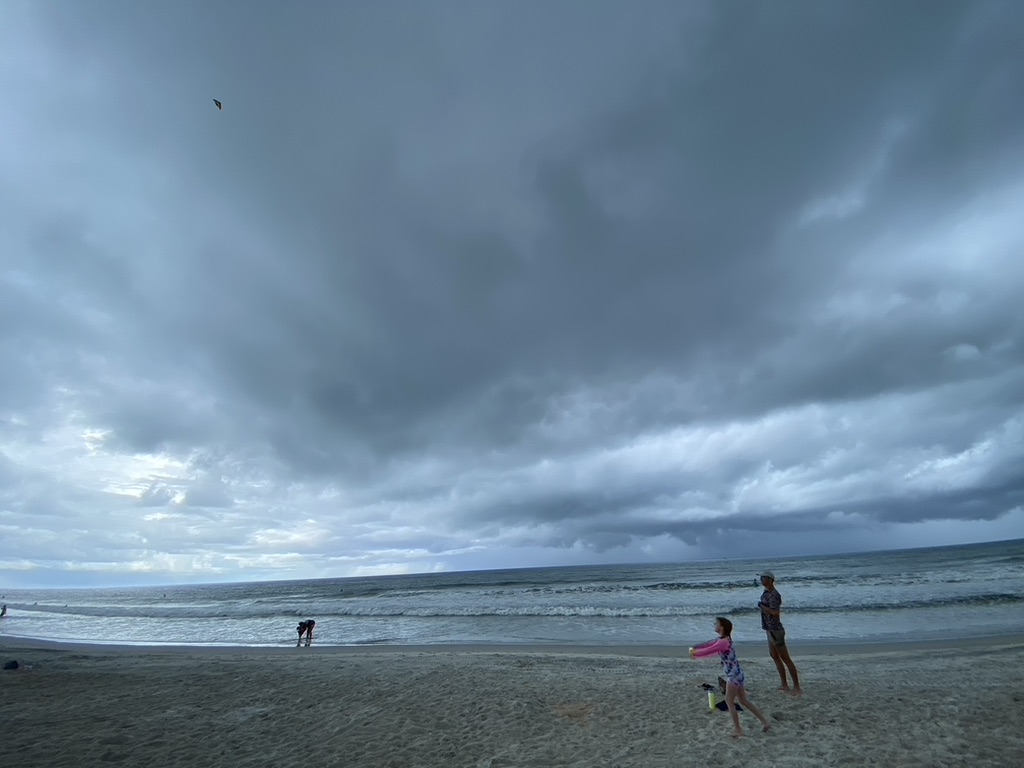
If you have ever tried to body surf, or even if you have ever been knocked down by a wave, you know how powerful waves can be. I have sported my fair share of bruises earned when a wave has knocked me down. Some waves are so powerful that they will send you tumbling back onto the beach, rolling and rolling head over heels until you lose momentum, as if you were Jonah spit back up onto the beach by the whale, as if the ocean were done with you and wanted you out.

Grief can bowl us over as if it were a wave. Once it initially recedes, we may struggle to stand again even as the water, powerful and relentless, rushes back out into the vast­ness of the ocean.

Perhaps you’ve experienced this, trying to stand again while the sand and shells and rocks and debris under your feet sinks and sucks your feet into the muck.

Strange to anticipate grief but smaller instances of grief are warnings of the power of grief to come. Nothing to do but to attend to the moment and focus on the feel often the knees- sin and hands-sinking in the shifting ground under me.

Too often I cannot recover enough balance and find a sure enough of a foothold to raise myself above the next wave that often quite rudely washes over me and requires me again to seek some sure footing. What I have found, though, is that, too often the only answer is to sit in the sand and swirling waters and take a breath as the grief washes over me.

Try not to gulp, I warned my granddaughter, when she was learning to body surf. Keep your mouth closed; If you scream at the wrong moment, you will know what anchovies taste like.

When the grief and swells are too strong to fight, they recommend you curl up in ball and not fight the current of a rip tide. If you are in shallow enough water, you may find the surf still to strong to allow you to stand. In that case, just sit. After a moment, there’ll be a lull in the swells and a chance to right yourself and get onto-your knees again, then your feet.

When I was a child, my brother, my sister and I were introduced rudely to the tyranny of waves. Beautiful and calming from a distance, exciting and great fun when you know how to ride them, the swells of the ocean came as a rude surprise to my siblings and I. Aged five, six and seven, dressed in new outfits for travel overseas, my father directed us to chase that wave back into the ocean for a photo op with his brand new SLR. We’ll never know if he was aware of what would happen; he’d never admit it but the youngest of us didn’t realize soon enough and the resulting photo captured her shock of the cold and surprise at the wet as a wave swept over her. To this day I don’t remember who grabbed her to keep her from falling fully into the wave. True to our family, though, dynamics, she’s never discussed the moment, never indicated even if she remembered it, never revealed whether or not it was traumatic or simply a not so pleasant memory.

I certainly remember the look on her face, the question, “Why did you let this happen?”

“Why didn’t you warn me?”

Most days, memories of my childhood are simply like the gentle wake of the outgoing tide; they lap at my toes and remind me of how far I have been blessed to come from those days.

Most days, I recognize that the memories, after years of work, are harmless, never gone but not threatening to knock me down and no longer able to sweep me out into the deep.

Most days, the memories are not so powerful, now, though, as is often the case with trauma victim, on occasion the wave that washes over is certainly chilling and a shock to the system.

As an adult, I camped one weekend on a beach in Big Sur California, with a friend, a fellow soldier, a Captain in the unit whose members wore a green beret. Overlook for this anecdote the fact that we were not allowed to date, a Private First Class (enlisted) and a Captain. He was, for me, I realize now, a protector, safe and able to navigate dangers that still frightened me. He was also I realize as I write this, a warrior who decided to become his own protector first. I am sad to say I will probably never know now what trauma drove that for him. We might have been able to help one another more consciously had we been able to share. As it was, we were simply a refuge for one another for a time.

After a bit of a hike, we discovered, on that trip decades ago, a driftwood shelter on the beach, perfect for two of us to sleep inside and so we took shelter during a gentle rain and slept peacefully. Until morning. Slightly before dawn, I awoke to his arm suddenly over me, directing me not to move, holding a bundle of clothes over my head (I know now that was to keep them dry.) I am, to this day, amazed at the training that enables that kind of quick thinking, by the way. As the chilly wave receded, he jumped up, scrambling out of the shelter and further up the beach before the next wave overtook the little shelter, me his willing shadow.

Aware of the chill that would quickly set in, he was, true to form, able to build a warming fire for us and dressed me in the (oversized for me) warm sweater he’d managed to grab as wave had first washed over us.

These two events share more than the cold waters of the Pacific Ocean off of northern California. (That first experience occurred on the San Francisco Bay).

Together for me, these experiences mark a formal progression to an awareness of choices, choices in how to live, how to parent, how to love, choices it has not seemed that either of my parents ever reached themselves.

My father had been a boy scout and became a boy scout leader but never shared any of what he’d learned about safety, precautions or survival. His guiding principle seemed to come from early poverty, both poverty of resources and poverty of love. My mother once declared that no one ever taught her how to take care of herself so her children could just figure that out themselves, too.

I am grateful I realized I did have choices.

For the longest time, I thought my only choices were to be like one or the other parent. I am grateful to this day for a doctor who said simply, there is more for you than the life you live at home. You will have other choices, entirely different choices, she said. Because of her simple statement, I have lived learning to expect and then accept those choices that could help me survive and even thrive in spite of the waves that have periodically threatened to wash over me in life.

The choices I have discovered have been for my own “upbringing.” I am the first to acknowledge that I have been slow to mature emotionally, but that was not from lack of effort. My choices have also been about how to parent i.e., whether to repeat my parents pain and pass it on, as they did, or try, albeit likely still lacking, to teach my children at least something about self-care and caring for others.

Sometimes the self-care is just about sitting still while the sand and shells and swirling waves threaten to pull you down more and certainly do not allow you to get to your feet right away. Sometimes the self-care is to admit you cannot yet stand. Sometimes the self-care becomes caring for others as you teach them how to sit still in the grief and the waves and even sit still with them, teaching them to power of sharing the moment and the powerful self-care to be found in caring for one another.