Like most of you, over here we have much to be thankful for, even if we don’t have everything we want. Included on our list are good health in spite of old age, plenty to pay the bills (and then some in spite of inflation) and a gaggle of children and grandchildren who work hard and strive to love one another.
This year, perched at the top of my own gratitude list, though, has to be the image of our seven-year-old granddaughter, who has struggled mightily all of her life with Cystic Fibrosis and who endures daily treatments and meds and shots and the periodic hospitalization. This Thanksgiving, this child was walking around a potluck supper gathering with a spiral notebook and a pen. She was asking everyone who would speak to her (and she is pretty hard to miss with curly red hair) what they were thankful for and then writing that down in her notebook. My heart is certainly full.
In the circle that is our family, I am thankful our grandchildren are being taught already about gratitude. In a larger context, I feel especially hopeful that our nation has set aside one day a year to teach the art of giving thanks. While we love to indulge in our turkey and stuffing and jello salads and football on the fourth Thursday of November, we do also have to admit this is pretty much our ONLY national day of remembering that we are thankful.
Certainly, not everyone insists everyone at the table say somehing they are thankful for before the gravy is passed, but a lot more of us do that on Thanksgiving than on any other day in this country, so, there’s that. Moment of gratitude for our moments of gratitude. You know it carries over. While we were thankful for one another ON that Thursday, on the next day, the Friday, BLACK FRIDAY, we are grateful that we shared our gratitude, that we said it out loud. That’s not all, though While on Thanksgiving we talk about being thankful, our gratitude on the day after Thanksgiving is different.
…our gratitude on the day after Thanksgiving is different.
Sure, we might be thankful that we didn’t have to wait an extra three or four hours for the meal because the yams wouldn’t bake or the rolls wouldn’t rise or the last visitor was late. Or, maybe we are thankful the custard pie “stood up” or that our teenaged grandchild still hugs us or that a chair or two that had been empty too long was filled again for, oh, so many reasons. On Black Friday, we often find that our gratitude has evolved and perhaps even grown significantly. I, for one, have found that I now need to include Black Friday itself on my gratitude list and not because I could, if I wanted, go indulge my shopping habit.
In the past, though, I would say I loathed Black Friday. IMHO, Black Friday was as annoying as Christmas songs being played before Halloween is over, setting up your Christmas tree before Thanksgiving or, yes, the overuse of acronyms. (See above.)
Now I have to admit that Black Friday is the unsung hero of the weekend and perhaps is to be credited with keeping Thanksgiving on the calendar.
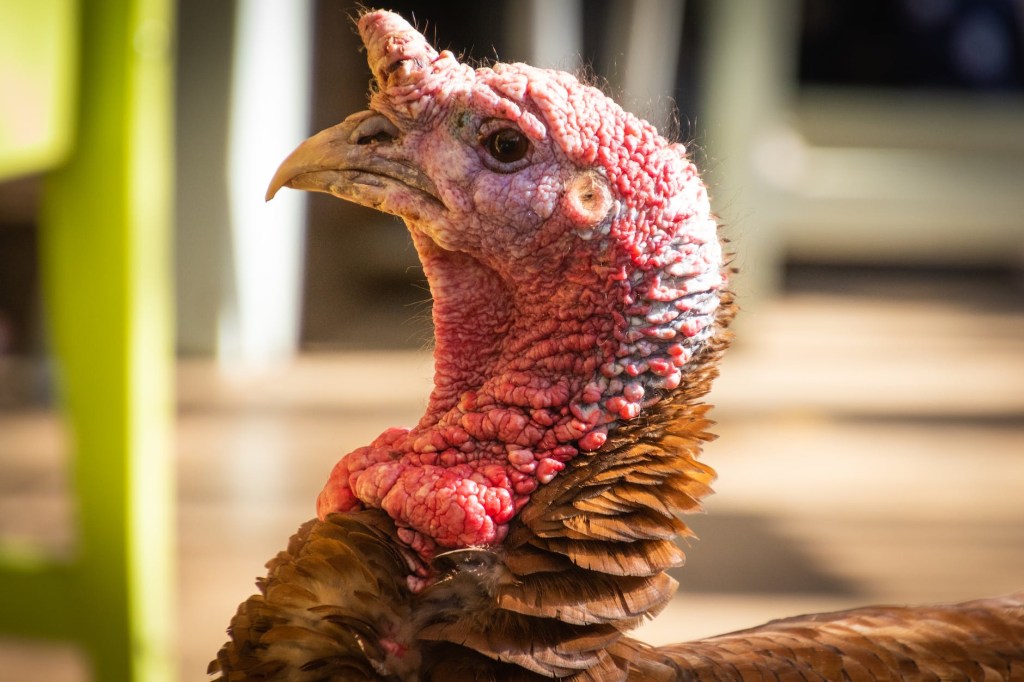
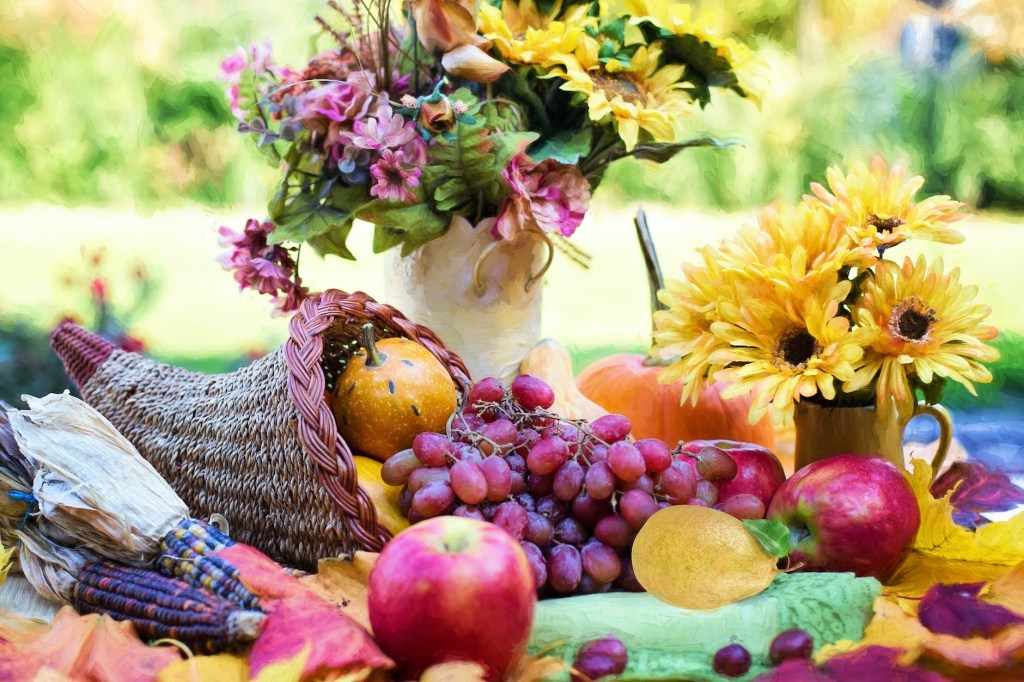
Think about it. Thanksgiving on its own struggles to stand out among the fall holidays. Really, other than the nearly extinct cornucopia, there is little to distinguish the holiday. As one comedian put it, there is only one Thanksgiving character and we hunt him down, kill him and eat him. There are no costumes really except those Pilgrims and only one or two songs we sing at school assemblies or maybe in church. A media search for images brings up mostly pumpkins and leaves and maybe a Pilgrims coloring page.
Really, other than the nearly extinct cornucopia, there is little to distinguish the holiday.
I would posit that Thanksgiving itself needs to be grateful for Black Friday. What a boost to Thanksgiving that so many workers get Friday off, for example. Think about it: the whole shopping craze means employers would be hard pressed to take Friday back and make folks work because of the economic bump from Black Friday sales. Without Black Friday, Thanksgiving might fade quickly, becoming that holiday with the funny hats and too much food we used to celebrate. And then where would our national thankfulness be?
Black Friday is the unsung hero really of the weekend, right?
So, this is a bit of Black Friday gratitude (maybe Gratitude with capital “G?”) Thank you, Black Friday, for protecting and preserving the one day a year we all at least think about why we are grateful. I will no longer begrudge you the shopping and endless ads and mayhem and Jingle Bells onslaught. I will no long even complain about the early decorating or the Christmas items that appear on the shelves before Halloween.
We Need You, Black Friday.
Hang in there. Without you, Black Friday, we might just go straight from Halloween to Christmas after all. Without you, I might never have realized how much hope some folks need and derive from all that early decorating, shopping and singing. Most of all, if we did not still have a designated day of gratitude, I would not have this memory to treasure of a seven-year-old, who in spite of the fact tht she was counting down the days until her next dreaded blood draw, was asking total strangers to share their gratitude with her. So, thanks to all that helps us keep this day of Gratitude around, especially Black Friday. I am shopping already for a cornucopia for next year just to do my bit to help keep Thanksgiving (and its protector, Black Friday) around.
Was your gratitude list different after Thanksgiving this year? Leave a reply and share your gratitude today, too.
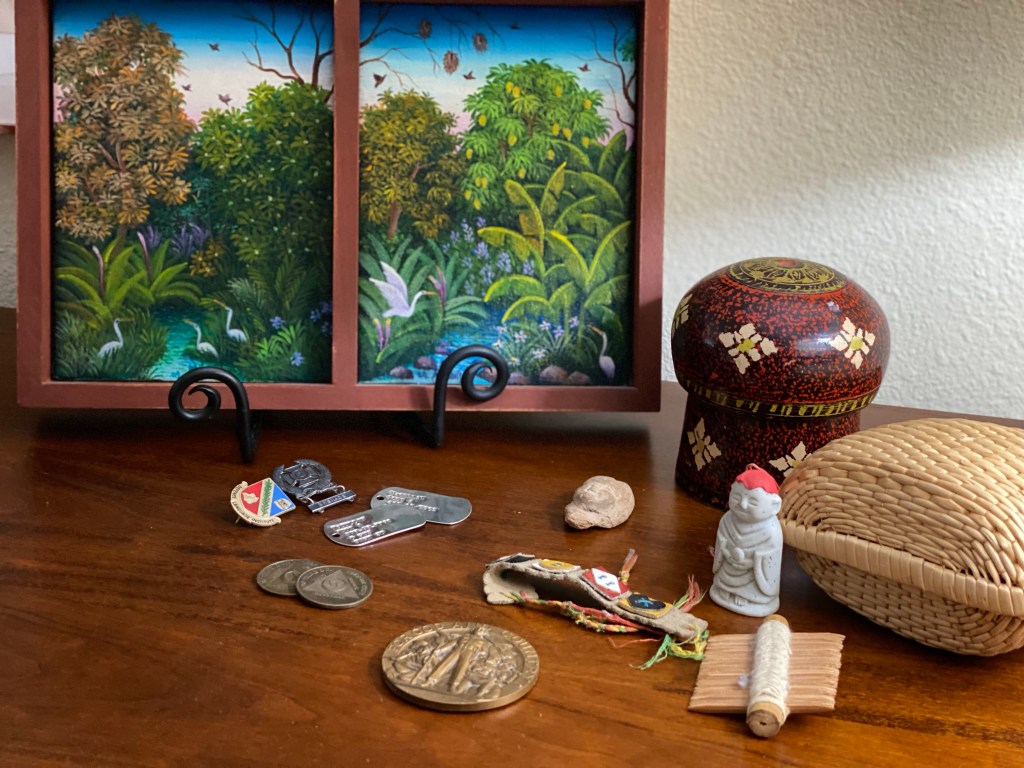
Some of the mementos from my backpack. Ever wonder why you held onto some and not others?
As stories go, this one is incomplete, like a puzzle missing some corner pieces, or a picture torn, by accident, of course. It’s my hope that through this process of unpacking my backpack of memories, I’ll locate those missing puzzle pieces or that torn corner of the picture and all – or at least more – will make sense.
Some years ago, I went looking for, or at least information about, my teacher from third grade. I’m sad to say, so far, I haven’t found her, though I am pleased to report I’ve found some folks I’d lost track of some decades ago. As the child of a father who moved us to new cities – and even new countries – at least every three years, I certainly have felt disconnected. For the longest time, because I also was estranged from my family, there existed no one in my life who could vouch for me ever existing prior to college. No one would say, for example, “You were always the tall one in the class.” No one was ready and eager to remind me that I was always late for the traffic patrol crossing guard duty – dear God, they let us do that in sixth grade then! No one would raise their hand to verify – or deny – if I were accused of being teacher’s pet (I sure wanted to be.) or if I had read every historical biography in our primary school library. (I had!)
Thorpe J. Gordon Elementary
I attended Thorpe J. Gordon Elementary School in Jefferson City, Missouri, from the last part of second grade until sixth. We arrived after living overseas for a couple of years (There’s another couple of items from the backpack and a few more stories for another cold day). Today, though, I am seriously regretting tossing all those class pictures a few years ago. You know, the ones where we all stood on those metal risers and tried to hold still long enough for the photographer who counted it a win if he could get us all looking at the camera when the bulb flashed. (If you have pictures from Thorpe J. Gordon Elementary in the mid-sixties, by the way, I’d love to see them.)
To the best of my recollection, my teacher when the year began was a Mrs. Peterson (sp?). She was young, pretty, energetic and fun, and we all loved her.
At least that’s how I remember it, but then, for the longest time, I remembered this as happening in second grade. Since I didn’t start Thorpe J. Gordon until after Christmas in the second grade, seems like some memories got fragmented and some pieces indeed might be missing. We do all have somewhat mashed up, muddled memories, don’t we? I don’t know about you, but whether they are from last week or our childhood, my memories toy with me.
In my mashed up memories, Mrs. Peterson was lively and pretty and cheerful, which was amazing because she was married to a Soldier. Mr. Peterson was, at the time, serving in Viet Nam. He was at war. We didn’t know why he had to be at war but we knew she didn’t get to see him or talk to him much and he wasn’t at home when her day was over. We knew too that he was a pretty nice guy because, every time he sent a cassette-taped message to his wife, he included a message for our class. In return, when Mrs. Peterson was preparing her own cassette message, she allowed us to add some greetings and questions. Sometimes, much to our delight, in the subsequent message, he answered those 8- and 9-year-old’s questions. We felt special and connected and heard, both from him and from her, something most children could not say in that generation, to be sure, and something that, sadly, would not last.
Christmas Corsages
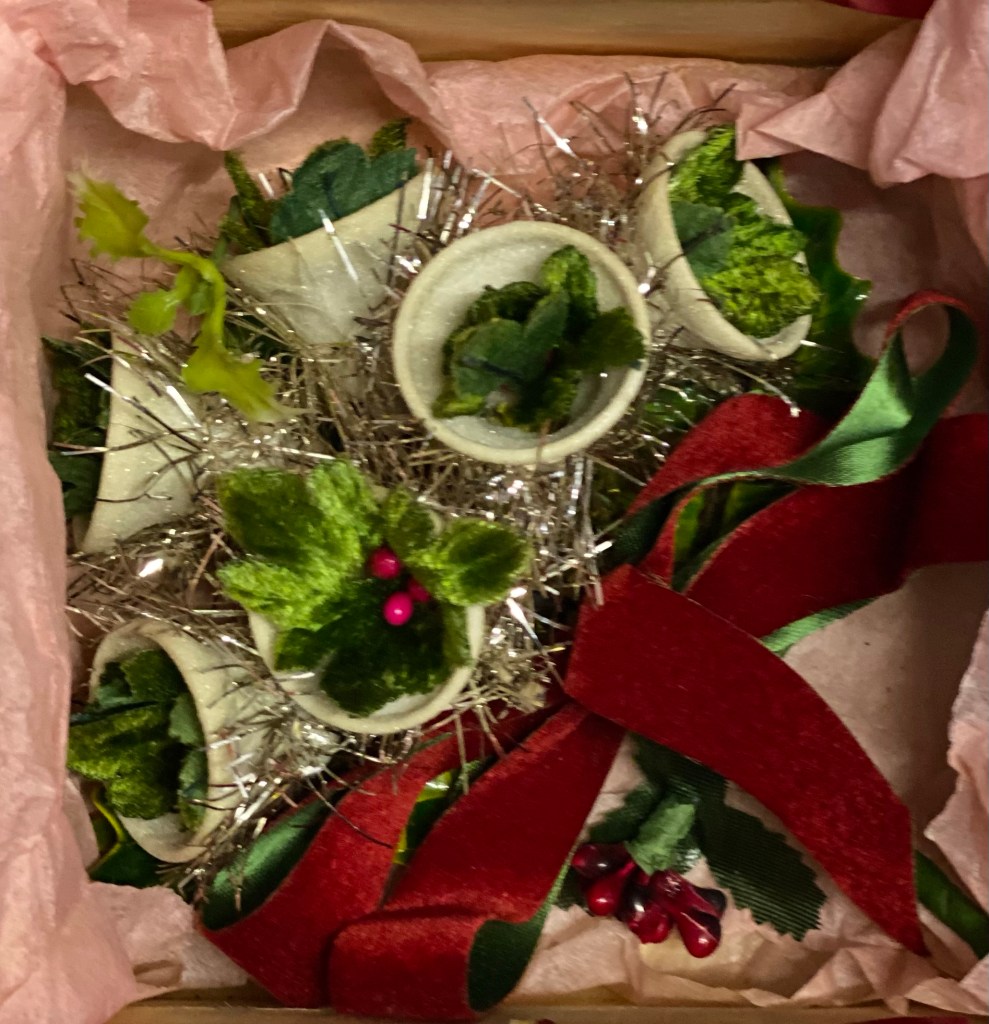
That year, just like every year I can remember, we were off of school for two or three weeks for Christmas break. Before the break, at the class Christmas party, we’d all given Mrs. Peterson our Christmas gifts. The practice in the mid-sixties in the cold, gray, windy midwest, or at least in our neighborhood, was to give your teacher a Christmas corsage; these were pretty, often fake flowers (or no flowers at all, if I remember correctly) and they were adorned with ribbons and trinkets. They certainly were festive. The trouble, as far as I could see at the time, though, was that everyone gave the teacher a corsage. How many dang corsages could one teacher wear? So, I opted that year to give the teacher something else, likely some candy or perfume; it made sense to me, but the gesture did not pass without incurring grief from several of my classmates.
A Typical Christmas Corsage
Over time, I would become more accustomed to classmates wondering what on earth I was thinking. In fifth grade, for example, a couple of us created a class-wide crisis when we did not wear dresses on picture day. Whoa. (Strangely, we were allowed to wear pants in grade school at that school; later, I’d transfer to another town where girls were required to wear dresses, no matter what the weather.) What some of us had figured out, though, was this: when we wore a dress (with nice shoes) for picture day, recess was a wash and we really, really liked running and climbing during recess. In addition, the individual pictures were only head and shoulders so a pretty blouse would serve the same purpose as a dress. Finally, at least in my case, since I was the second tallest kid in the class, I always always stood on the back row for the class picture anyway so no one ever saw what I was wearing. I could see no reason to endure the discomfort of the dress and patent-leather shoes all day when I could be in pants and tennis shoes. Sadly, I had to explain that about twenty-five times that year and, while I was annoyed at that, I was more annoyed at myself for not figuring this out in first or second grade. Still, embracing my generation’s dictim “Question Everything” was a learning curve, and the Christmas corsage might be considered the first volley in my war on ridiculous expectations.
No Questions Allowed.
Still, this post is about war, war and children.
That Christmas break, we went home a happy lot and looked forward to returning in January. When we did step back into that classroom, we did not find Mrs. Peterson at all. What we found was another teacher, an older woman whom I’m sure was a lovely and gifted teacher, but on the first day back to class that frosty January, we were told simply, “Mrs. Peterson is gone and this is your new teacher.” End of discussion. No questions allowed though you know we had plenty. In my child’s memory, our anger and questions were dismissed, sent to the corner, not allowed.
Now, if any of our parents heard about this from us or if any of them knew what had happened or reached out to the school with their own questions, I don’t know. I don’t remember if I had any conversations with my parents about this either. I can reliably tell you that they were not advocates of my budding proclivity for questioning everything.
It would be decades later when some of that memory came into focus for me; I would realize, belatedly, something must have happened to Mrs. Peterson’s husband. Perhaps he was injured, or killed; we could hope, even, he simply returned home to the states and they were transferred or moved. We never knew though and no one ever told us, which meant our imaginations would have been allowed to run wild if it hadn’t been made so clear that there was no room for that. For me, those banished questions would not surface again until, as a Campus Minister, I began working with students who were combat veterans.
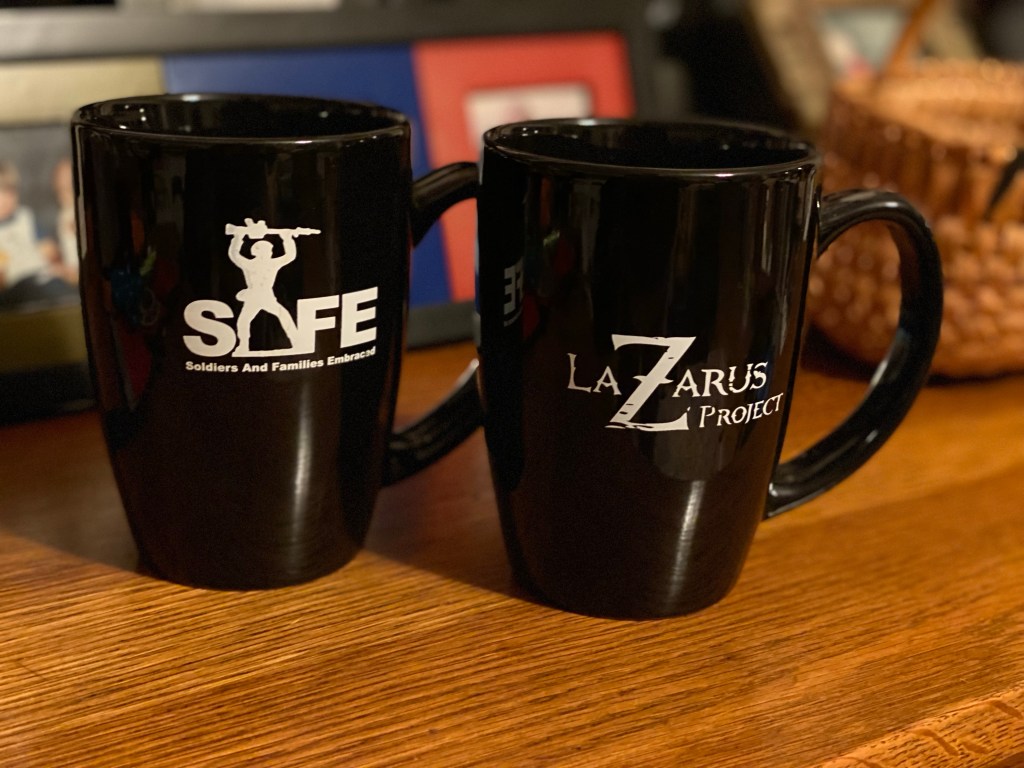
(Lazarus Project, which started as The Lazarus Project, became Soldiers And Families Embraced. The free counseling program began in 2010 as a United Methodist Campus Ministry project to help combat veterans and their families who were attending Austin Peay State University in Clarksville, Tennessee, adjacent to Fort Campbell, Kentucky. By that time, the US had been at war for nearly a decade, but much of burden of fighting was borne by less than 1% of the US population and felt then quite keenly by their families.The program expanded into the entire community as we began to hear from veterans and family members from all eras who needed to process their pain, grief, anger and ask their questions.)
The name “Lazarus Project” was inspired by the idea that when the biblical Lazarus emerged from the tomb he still had the trappings and stench of war on him and the community is told by Jesus to “go to him” and unbind him that he might live again, rather than wait until he asks for help. See John 11, especially John 11:38-44. We started with peer support groups for veterans and their families and evolved into a full-fledged counseling program offering free counseling still to those affected by wars of all eras.
One part of the program for several years involved joint retreats to find healing from war, and one of the first activities in those retreats involved introducing yourself by sharing some symbol of your experience with war.
Back to the Second Grade
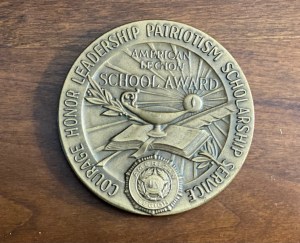
As I prepared to go to my first retreat, I was at a loss to share any personal experience with war until I was cleaning out a drawer and stumbled upon an award I received at the end of sixth grade from the American Legion. It was not until I was holding that award that I realized my own experience with war began in second grade with Mrs. Peterson.
It was not until I was holding that award that I realized my own experience with war began in second grade with Mrs. Peterson.
Certainly, this award, which, I was sure was going to my classmate, Karla, did not – in my sixth-grade mind – have anything to do with war.
American Legion Award given each year to one boy and one girl in the sixth grade of each local Elementary school for “Courage, Honor, Leadership, Patriotism, Scholarship and Service.”
Holding it all those years later, however, gave air to a mass of memories. To my surprise, the memory of Mrs. Peterson and her Soldier were near the top. Processing those memories in that retreat, sorting through the confusion and child’s anger, I am grateful to say, helped the Lazarus Project and then SAFE become community educators about the effects of war on children. The first thing we taught was that children DO know about war, whether we adults want to admit it or not, and denying their experience has both immediate and longterm consequences.
Already, one of our first clients for counseling had been an angry child, a six-year-old, who had been expelled from school for stabbing other children with pencils. Her grandmother came to us asking for help. The child’s father had been deployed into combat three times for a year at a time since she had been born and her mother had melted under the stress, grief and fear of all those long deployments. All that the child knew was that now Mommy also had “gone away.” The child was angry and she had lots of questions no one could answer. We learned quickly that she was among the many children of that war and so many other wars who wake up wondering if Daddy was still alive, if Mommy would be able to come home, and if, when they did come home, they’d be “all right.”
“You lied,” he said. “You all lied.”
A ten-year-old client of our program.
One of the saddest days of our program was when a child whose father had sustained a serious Traumatic Brain Injury declared that all the adults around him were liars because they had all told him Daddy would be okay, and he did not need to worry. You lied, he said. Like most of us adults who want to protect the children, the adults in his life underestimated his ability to grasp the seriousness of the situation and discounted his need for honesty and his right to have the chance to grieve the possibilities and air his fears, too.
All of us at Lazarus Project were amazed, though, at how much it helped the six-year-old just to have an adult hear her and assure her that of course she was angry and rightly so. She desperately needed someone to normalize that anger. Being able to ask her questions without upsetting everyone else around her didn’t fix the situation or mean she wouldn’t need more counseling to understand and name her feelings but it did help her stop stabbing other children with pencils. Allowing her space to air her questions likely had the added bonus of helping her process them before they became jumbled fragments tossed into a backpack that might not be opened for decades, if ever.
As the wars continued, more and more resources surfaced to help talk about war with children. Sadly, as those wars continued, there were children who had spent their entire school experience, twelve years or more, with one or the other parent deployed into combat zones. The questions they have and the feelings they need to process will continue throughout their lives.
Our questions don’t always need answers, just air, the air to breathe, the chance to be counted.
As I write this, I think of my granddaughter who is only seven and, while she seems quite young, she does know about death and she has dealt with the losses of animals and people she has known. Thankfully, she is blessed to be surrounded by adults who allow her to ask questions, even if they don’t have answers for her.
It’s not easy to hear her questions some times, but it IS simple. What we are learning by listening is that our questions don’t always needanswers; they do need air, the air to breathe and the chance to be counted.
People often assume that, because I am a pastor, my relationship with God must be bucolic, nurturing, all green pastures and peaceful waters. They are surprised then when I tell them that my relationship with God, in fact, more closely mirrors the story of Jacob wrestling with the angel. (See Genesis 32, or better, go back and read the whole story of this trickster who became the father of the 12 tribes of Israel.)
I refer them to this story because while I would love to say God and I are just great buddies and I, like Mary, sister of Martha, spend my days sitting at God’s feet listening and learning, the reality is much more that I wrestle with God and often, the wrestling feels like a life and death struggle.
The “Before”
Rapids
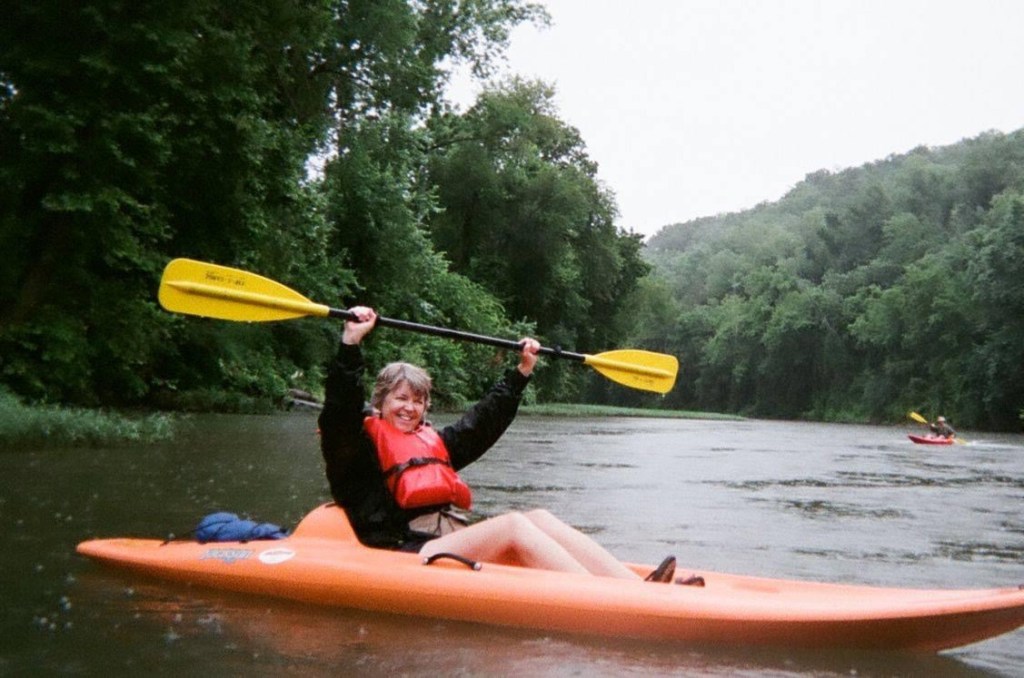
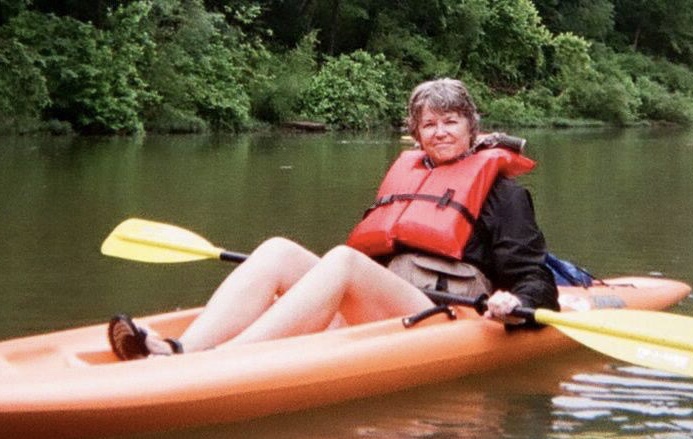
About five years ago, my two sons and I went kayaking on the Harpeth River on a rainy 4th of July. We were the last group of people allowed to get in the water because the rain had been coming down so long that the river was starting to rise. Those who ran the kayaking and canoeing outfitters were concerned and so they stopped letting other people get in the water. It was still manageable when we got in, and all three of us have a lot of experience with canoeing and kayaking, so we felt quite comfortable–even if we were soaking wet.
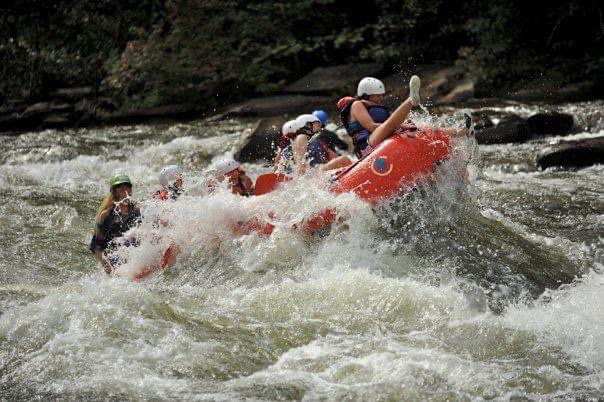
Almost immediately though, really before we could even get settled in our kayaks, we had to make a quick decision at a split in the water – a stretch of rapids either way but we had no time to think and no time to weigh the two and find the safest. My youngest son went right and my oldest and I went left. Within seconds, I watched in horror as my oldest son was sucked underneath a pile of brush that had collected on the side and then, almost as quickly, only had time enough to take a breath before I also got sucked under the pile of brush myself.
I remember being clear I did not want to be carried any further under that brush pile, because, well, there did not appear to be a way out on the other side. I, of course, immediately lost my paddle and kayak and just focussed on not being pulled any further under. I did know which way was up and managed to grab onto a branch, but I was not strong enough to pull myself to the surface. I remember that I kept holding onto the branch and was especially grateful when I realized it was living and attached to the riverbank. I could not find any way, though, to push myself up and get my head out of the water. I remember kicking and kicking and holding on until quite suddenly I found a foothold and pushed up until my head came out of the water and I felt a hand grabbing mine.
I was not underwater for a long time, but the time that I was underwater went by slowly while I was struggling, and I remember two thoughts as I was kicking and searching for a foothold and trying to push myself up: the first thing that I was thinking was I didn’t know where my oldest son was and I was really scared he was underneath the brush; and the second thing I was thinking was honestly that I might not get out of this alive. I was under water and struggling long enough to have time to think I might not make it.
As it turns out, I was not the only one thinking that, though, because I found out a bit later that my youngest son — the outdoorsman and most experienced of the three of us, the one who has survived several brushes with death that mom doesn’t want to know about, that son apparently had enough time to stop trying to retrieve my paddles, to yell to his brother, “Mom is not coming back up” and to start sprinting for where he’d seen me go under.
Apparently, though, his brother, who I’m so grateful as able to quickly surface, was already trying to reach me and when I finally found a submerged log with my foot and was able to push up and reach up, that son grabbed my hand and pulled me on up and out. And that all happened in five minutes or less of putting our kayaks into the water! My heart still races just thinking about it!
Praying, Not Praying….
Now you might hope that, in the midst of chaos and a frightening situation, that a preacher would be praying, right!? And, I’d really like to say that I was praying but I don’t remember that. I do remember being calm, even when I thought I might not make it. I remember being focused and I remember doing what I knew to do, focus on finding a foothold to push myself out of the rushing water. I remember being fully present in each moment. I remember pushing again and again and I remember hoping it would work. I remember that I kept trying and that I kept reaching. And when I felt that hand grab mine, when my sons pulled me out of the water, absolutely soaking wet, I remember taking a really deep breath.
Afterwards, once I felt the relief of seeing both boys safe and sound, I think I felt worse for my oldest son who — Poor guy — had just given up cigarettes a few weeks earlier. He looked like he needed one. As for my younger son, well, he got a taste of what Mom had felt so many times with him and his brushes with danger and death. I remember registering that it must have been serious because it was highly unusual for him to be worried but he was so worried, he ran!
How it felt….
I remember being grateful that my oldest son was above the surface trying to get to me the whole time and grateful to see his face when he pulled me out. Quietly, with little conversation at first, we set about trying to retrieve our paddles and whatever gear we had. Much was washed down the river and gone. We found what we could see in the rain, secured that gear to the kayaks and got back on the water because, as drenched and drained as we might have felt, there was no going back up the river – there was only one way home.
I remember we floated in silence for a bit until my youngest son turned to me and asked, “Don’t you just feel so alive right now, Mom?”
Well, yes.
And No.
I was far more exhausted than I normally would have been, considering we really had only been on the water for a few minutes. But I also could say I could not remember many times in my life when I have felt that present, and that much in the moment, and that keenly aware of and focussed on what I needed to be doing.
I felt quite shaken, I told him, but grateful though I was very clear that it never needed to happen again!!
All that is to say, I felt like most people do in a terrifying situation. While scary movies are quite popular with many of us, most of us do not actually like being in danger. In fact, we have a high need to control that kind of chaos; we certainly do not like it. As far as most of us are concerned, it is God’s job to make the chaos stop and God’s job to restore safety and help us feel comfortable again.
Wrestling is Biblical, Turns Out.
In Gospel Medicine, Rev. Barbara Brown Taylor says, we think that’s how we can tell when God is present–when the danger has been avoided. When your heart stops pounding and you can breathe normally again? That’s when God is present, right? We believe we know that God is there when we’re not afraid anymore. “It is an appealing idea,” says Taylor, “but unfortunately the Bible will not back it up. As much as we’d like to think God is in the ‘keeping us from danger and chaos’ business,” in fact, she says, “much of God’s best work takes place in total chaos, while we are scared half out of our wits.” (Taylor, Rev. Barbara Brown, Gospel Medicine, 107-8.) Great.
In the Genesis saga where Jacob is wrestling with an angel, Jacob certainly did not want to be fighting for his life. But this story is where he does exactly that. When we find Jacob there, it is twenty years after Jacob left his family because he cheated his older brother, and lied to his father, and took his older brother’s birthright, inheritance, AND blessing and then had to flee.
“Likely he only knows which end is up because he can feel the dirt on his back or the gravel in his face as they roll and tumble and cling to one another all night, apparently evenly matched. We know he felt afraid for his life, thought he was likely going to die, in fact, which means he was keenly present and aware of every moment and every move because the next move, the next moment, the wrong move, could mean the end of his life on this earth.” (Taylor, Ibid. )
Jacob refuses to let go of the angel until the angel gives him a blessing and the angel changes his name to Israel, which, of course, will be hugely important, but also leaves Jacob wounded, limping for the rest of his life, which means always vulnerable in that day and time.
This story is perhaps my favorite story in the Bible. In fact, when folks ask me to explain my relationship with God, I tell them this story because while I would love to say God and I are just buddies and I, like Mary sister of Martha, spend my days sitting at God’s feet listening and learning, the reality is much more that I wrestle with God. Sometimes I question God, sometimes I get angry with God, sometimes I am grateful and feel blessed. But it is not usually a serene and peaceful relationship. I also love this story because it describes so well how so many of us experience life: crises, and relationship troubles, and illnesses, and accidents, seem to pounce on us when we are not looking. and all we can do is hold on tightly and try to come up for air when we can.
Faith, For Me, is Holding On, Ever Hoping.
Rachel Naomi Remen, an oncologist and author who struggled all of her life with her own Crohn’s Disease, and who has endured lasting, debilitating pain and multiple surgeries, talks about Jacob and striving with God in her book, My Grandfather’s Blessings. First, because she was a child when her grandfather told her this story, she says she was puzzled and wondered how anyone could confuse an angel with an enemy. Her grandfather pointed out, though, that the wrestling was not the important part of the story. The important part, he told her, is that everything has a blessing for us, and we can receive blessings even–and perhaps especially–in the times when we are clear we are not in control. Our task is to keep striving as best we can to understand, keep striving to learn, and maybe even, like Jacob, keep negotiating but we keep holding on.
Rachel Remen says, “How tempting to let the enemy go and flee. To put the struggle behind you as quickly as possible and get on with your life. In fact, though, it turns out that very often the struggle IS your real life and all the time we spend quietly, serenely, calmly is just the quiet before the storm that is our life. Perhaps,” says Remen, “the wisdom lies in engaging the life you have been given as fully and as courageously as possible and not letting go until you find the unknown blessing that is in everything.” (Remen, Dr. Rachel Naomi, My Grandfather’s Blessings, 27. )
This kind of wrestling is not pretty, though. Most of us shy away from this kind of struggle because it is so embarrassing to be so clearly overwhelmed by our lives. I am sorry to say I have struggled a great deal in my life, sometimes because of tragedy or trauma and sadly, just as often because I have allowed trauma to set the rules and too often closed myself off from healing or relationships.
Soaked and Tired
When I do struggle, and it seems that I do nearly every time there’s a change I need to make, I have found it necessary to forget about how I look or how I present to others, as much about whether or not my eyes are swollen and red as about whether what I say makes sense to someone else. I have learned not to expect myself to sound rational or even be able to defend what I am feeling or thinking, only to hold on and not worry about frogs in my pockets or mud on my forehead or if anyone else understands right now. Every attempt, every time I push or grasp for words to explain what feels life-giving and what doesn’t, every move is more proof I am alive and I do care and still hope and, God willing, will reap a blessing from the effort.
As my sons and I floated down the river that day, I’d love to say I felt somehow triumphant, that I had gleaned some grand lesson the world would want to hear, that God had spoken to me and sent me back the land of the living to share some great wisdom that would make all of our lives better or more meaningful or help us cure cancer.
Instead, I was drenched, defeated and deflated but that didn’t matter because I was just grateful to be near enough my boys to touch them, to call to them, and to hear them call back to me for another day.
Part of unpacking the backpack I’ve carried now for more than six decades is recognizing that there are so many stories. Yours. Theirs. Ours. Everyone’s. We all do have a story and much of my life has been about sharing stories. One of my favorite jobs revolved around being assigned to interview a wide variety of people whose stories I was then tasked with telling.
This image is from a card created to benefit Room In The Inn in Nashville (roomintheinn.org.)
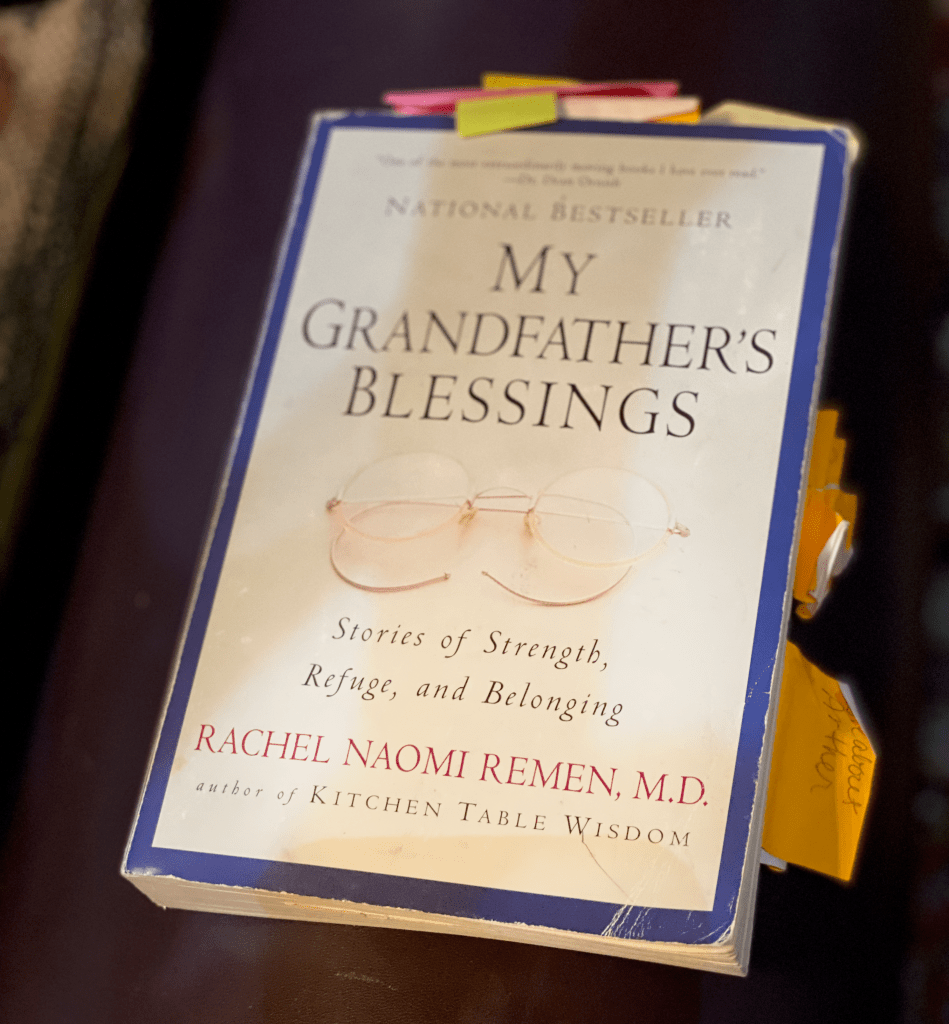
(So many of my favorite books, by the way, have been short story compilations or books about stories. As I unpack this backpack, the books I’ve held onto, often referred to and found worth rereading will be topics of entries. Below is one of my long time favorites. Rachel Naomi Remen, M.D., shares wonderful stories and I have quoted her more than a few times in sermons.)
My Grandfather’s Blessings: Stories of Strength, Refuge, and Belonging, by Rachel Naomi Remen, M.D., (Riverhead Books, New York, 2000) has long been a favorite, in part because she not only tells wonderful stories, but she also encourages and celebrates us all recognizing our blessings in hearing one another’s stories and in telling our own. As you can see, this copy has been well-used.
I love stories.
Stories about trying to grow disease-free strands of chestnut trees, trees that have their own stories, by the way! (They used to grow in the south to be massive but now can only manage to sprout bushes. Grow, little trees, grow!)
Stories about small town festivals and cowbirds and killdeer who protect their young by pretending to be injured to draw predators away from nests.
Stories about how you refused to let anyone else tell you how to live your life, stories about first loves, stories about sitting with dying.
As, I unpack my backpack here, I’ll tell those and others, stories about travel to Japanese temples in caves or about stumbling over statues intentionally left lying in the middle of bridges in Rome.
Stories about Lazarus stumbling out of the tomb and how that image helped us find ways to help our friends and neighbors who have stumbled as they tried to come back from combat and wars.
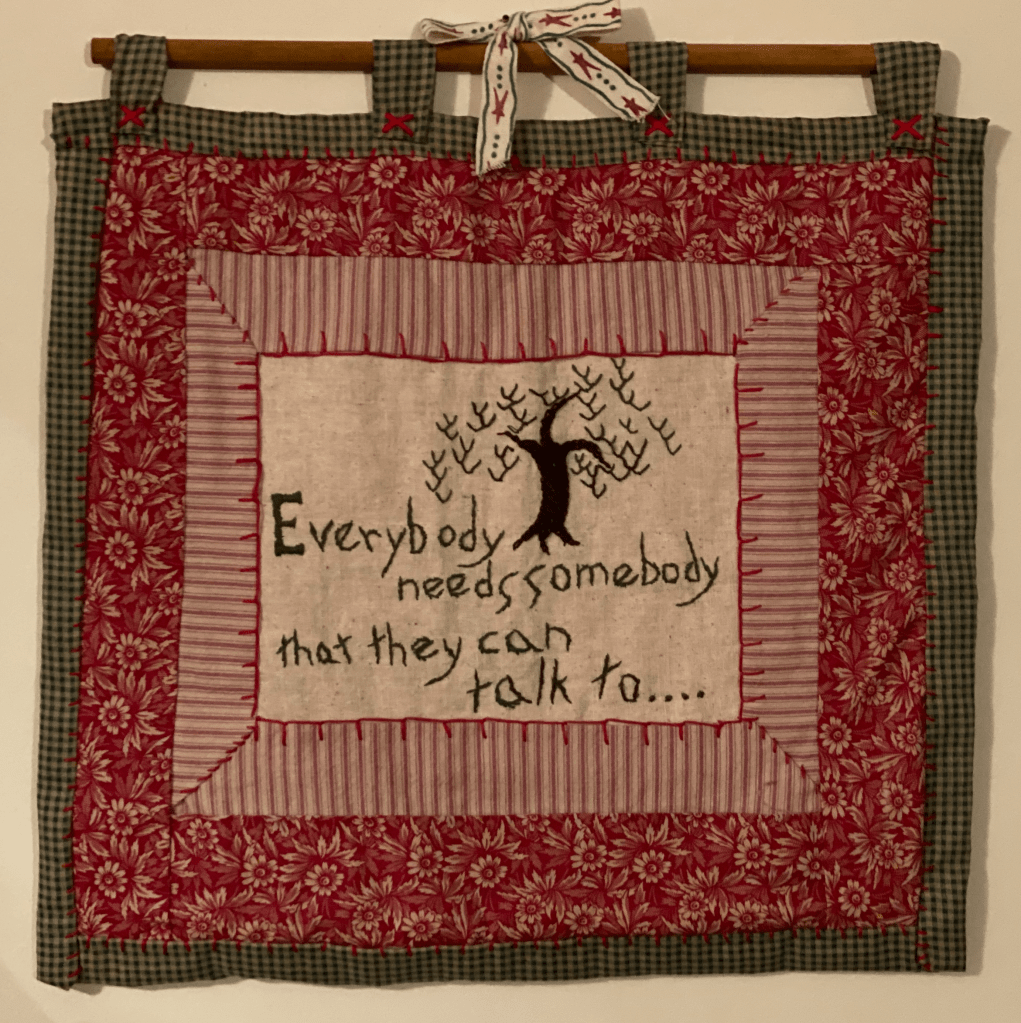
Songwriters and poets are some my favorite storytellers, often as much for what they leave out and let us fill in ourselves. The embroidery below I did years ago and, if you’re a John Prine fan, you know that is a line from one of his songs, “Everybody,” where he sings that: “Everybody needs somebody that they can talk to, someone to open up their ears and let that trouble through….”
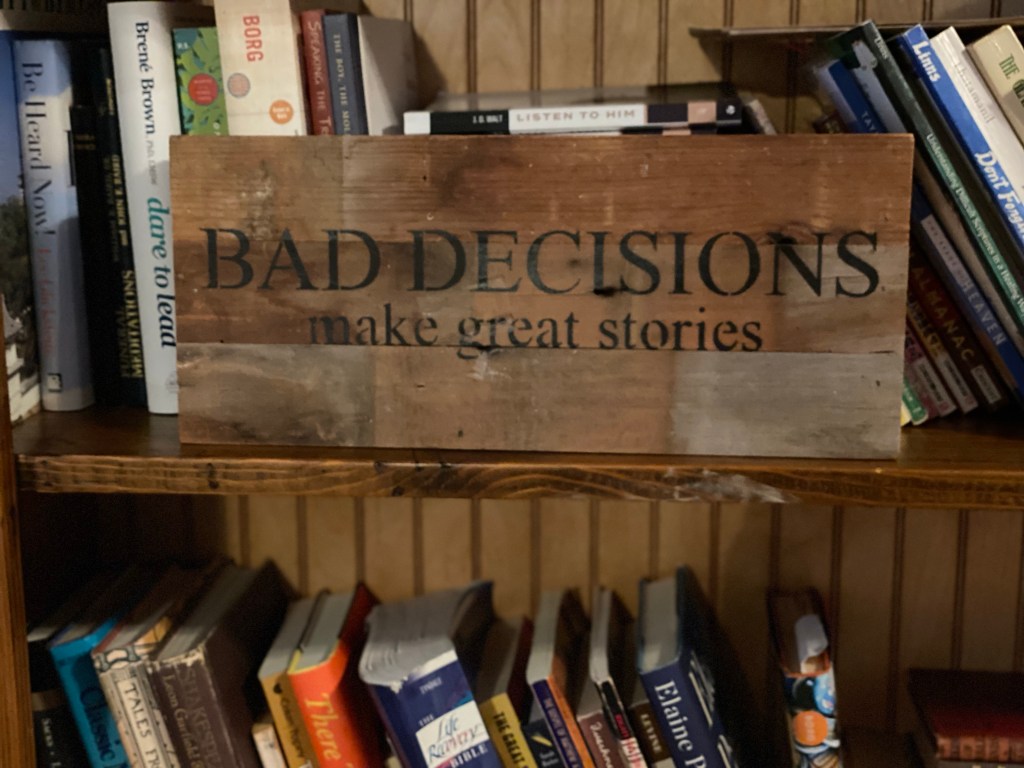
Some stories are more compelling but none is more important than another, only more important to me or you and only in a certain time and place. All of our stories need to and deserve to be told. Even the ones we regret. To be sure, some are more fun to tell than other and some are the kind of story that, while you’re in the midst of the story itself, you know this is gonna be epic…if we survive.
One benefit of hearing and then telling your stories is how your stories spur me to remember and tell my own, whether they were stories about nearly drowning or stories about all the mythology around pregnancies (and the tendency people have to warn you or tell you about the worse-case scenario when they see you sporting a swelling belly) or some of my earliest stories, which were about running away from home or trying to make sense of chaos using a child’s vocabulary and point of view.
Stories. We all have them, we all need to hear them and we all need to tell them. I’ve got lots so this is just the beginning. Might want to sit down. This could take a while. You go first.






 Emptying The Backpack
Leave a comment