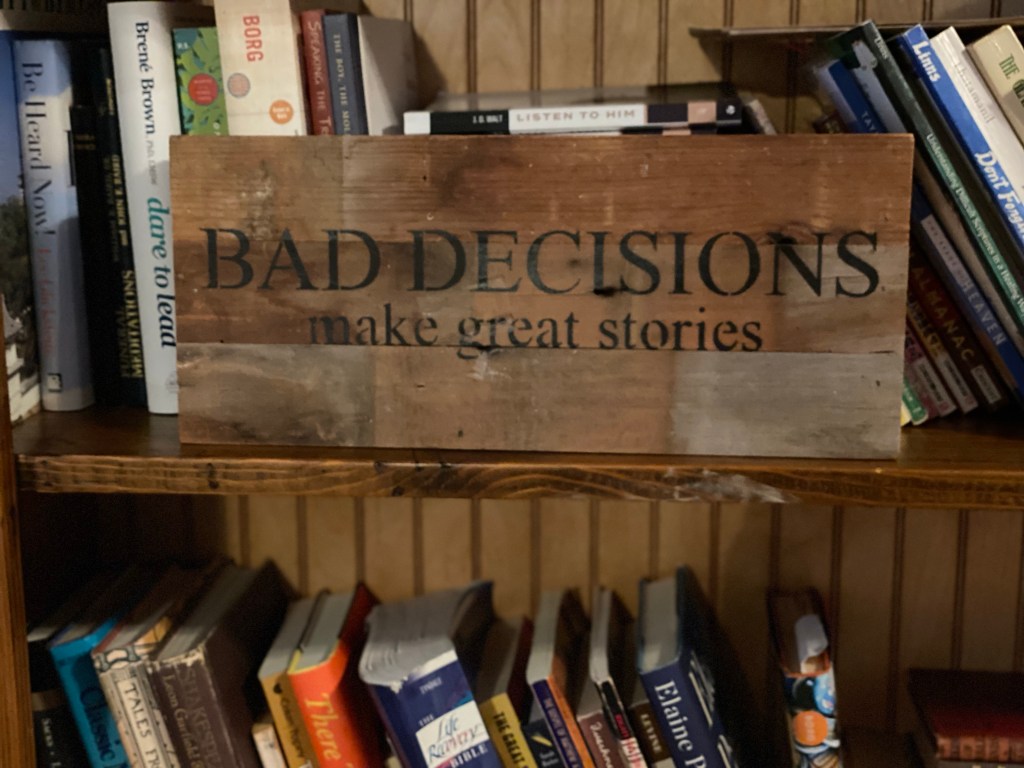
Be the pebble. One answer to the unimaginable.

For several months last year, I was invited to join a group of women from all over western and middle Tennessee, some clergywomen, some lay leaders in their churches.  We gathered virtually because we shared a sad truth: a colleague and friend had been taken from us suddenly, shot in her own driveway during a carjacking.

I had not known any of these women before this group convened, but I am so very grateful that they all agreed to convene for those few months – and to invite me – to share our grief and pain and try to make some, any, if possible, sense of this tragedy. Some of the participants had known this woman for years; others of us had only known her a short while, but we all grieved what felt like a future filled with hope and ministry. She was likely going to be a Bishop some day, not because she was someone who was well-loved but because she was someone who loved well. That future was denied suddenly not by someone who had judged her ministry or intentions or love as lacking, but by a total stranger, someone who never had and now never would feel the love she had to offer him.

Within just a few weeks following her murder, we stepped into a virtual room, and invoked the words so many of us had shared in the funerals we had presided over. We affirmed that we had come together in our grief, acknowledging our human loss and praying that God would grant us grace. We also prayed that, in our pain we may find comfort, and in our sorrow, we might find hope.  We especially, collectively, wanted to find ways to honor our friend. 

It’s not necessarily a new idea to say we are called to honor those who are now gone who’ve loved, nurtured, forgiven or supported and encouraged us by doing the same. It just may be a bit tougher to process our emotions after the loss is a shock or especially an act of violence, because violence always leaves in its wake more victims than are seen by the naked eye. Be assured, most of us could acknowledge our privilege in not facing this kind of loss before; we also recognized what a gift it was that we could take the needed time to grieve and to find some guidance and companions for this process. Plenty of folks do not share that luxury, we knew. 

Nevertheless, to say the sheer aggression and randomness of this event knocked us down is insufficient. We all know that bad things happen to even the best of people, but somehow some of us thought – hoped – there was a line the people of God would not cross. I mean, if you’re willing to kill a preacher, who stands a chance? We were shaken individually and collectively and so I am grateful that our colleague’s legacy brought us together. A few of the women realized that, if our friend had been the one left in shock and pain, this is what she’d do. She would gather us all in. She was all about sharing, listening, reflecting and holding hands in our fear and our pain. Over the next few months, then, we talked about how this trauma affected us, mentally, spiritually, emotionally and theologically.  We seemed to know that she would encourage us to ask our questions, something most of us in this world have been conditioned to avoid, even if we do have the time. Through our theological and faith journeys, though, through pursuing our callings, many of us in the group had been exposed to and become somewhat practiced in reflection, in the art of asking questions, and, perhaps most importantly, in sitting with questions that are not accompanied by satisfying answers. 

Aggressive, blunt, unanswered and unanswerable questions most definitely were part of these group meetings; they sat next to us, sometimes gently nudging us, sometimes poking us with bony fingers, often angering and annoying us, always taking up space and reminding us they were not going away.  So, we chose to embrace them, to welcome them into our space, albeit a bit begrudgingly, buoyed by the fact that we were not alone.  

“After all these years I have begun to wonder if the secret of living well is not in having all the answers but in pursuing unanswerable questions in good company.”

Remen, Rachel Naomi. My Grandfather’s Blessings: Stories of Strength, Refuge, and Belonging . Penguin Publishing Group. Kindle Edition.

We shared from various resources: prayers, poems, stories, theological pieces and we asked ourselves, How then shall we live?

To get there, we shared questions about our colleague like: How can one person be someone whom everyone felt like they knew? This woman saw you. I could easily spend the rest of my life trying to see every person that I encounter as well as she did; it is a spiritual practice that I will likely never master but one that she embodied. She saw each of us and even if you only met her once, you left her presence knowing she still somehow held you as tightly and lovingly as she did everyone she saw. I would have liked to ask her more about this; how did she manage it? Did she consciously focus only on who was right in front of her? How was she able to tune out the rest of the world so successfully as to make you feel like not so much the center of the universe but seen. And heard. She saw you. Most of us go through life not feeling truly seen or heard and yet, sadly, that is often all we want. Many an argument or estrangement likely would be quelled or mended if each participant were able to take a turn seeing and hearing the other fully. She seemed to know that.

How Then Shall We Live?

Throughout the sessions over last fall, I found myself counting how many people who were now missing from my life after this year: friends, colleagues, family members.

Sadly, I am grateful that a couple of them are no longer here to harm others. I spent a great deal of my life learning how NOT to follow in those footsteps. I also, though, came to recognize them as human beings, not monsters, and to acknowledge I have my own failings. I hate knowing that. I hate knowing I am capable of being ugly and of wounding others.  I hate knowing that too often what annoys me in others is what annoys me about myself.  All of that knowledge means I must go forward with self-assessment that is as rigorous as my judgment of others AND I must offer grace that is as unearned as the grace I receive. The question there was what did I learn about myself from that person?

I am grateful though to declare that most of those whom I have lost have blessed me.  All of those I lost this past twelve months, including my colleague, I now realize, left me with the question on my life: how will I live going forward so as to reflect how I have been changed by their influence on my life? How, then, will I live now in light of what they taught me, whether it be because I want to honor them or because I want to never fall into their footsteps: what gift will I give the world now that they are no longer here?  

Photo by Scott Webb on Pexels.com

Questions, then, I thought, might be the answer, if that’s possible.  I shared with the group one of the understandings of a Scripture passage that another colleague had helped me to see differently years ago.  The Scripture was about the widow and the judge in Luke 18:1-8.  The story is often interpreted that the judge is God and the widow has to badger God – the judge – to get heard and to receive justice.  Another colleague years ago saw the story differently and preached that the widow in the story instead was God and God (the widow) would continue to beseech the powers that be (the judges) in our world to do the right thing.  God would continue to be the pebble in the shoe, she preached, that made us stop in our tracks and take care of that annoying pain that we feel every step we take.  God will continue to try to make us stop long enough perhaps to think, to listen, to pray, to see one another.  The story when I read it now reminds me, calls me, to be the pebble, to keep the hard, stony, annoying truths in front of folks I know.  

God calls us to BE the pebble. Ask – lovingly – the difficult questions. Keep the hard, stony, annoying truths in front of the folks we know.

We lamented that there was no going back to our blissful ignorance, no chance now we could pretend we or those whom we loved were safe.  One thing that is certain about hatred, ugliness, violence, is that once you know, you can’t “unknow.” Most of us in our world today learn at such early ages that violence and meanness and the ability to harm others is part of our world but being the target or even knowing the target of someone else’s violent behavior, even and maybe especially if that target appears random, moves us into darker places emotionally, spiritually, mentally.  

One of the toughest conversations was, no surprise, about guns and gun violence. I do not believe I am breaking confidence to say that we were keenly aware of the difficulty we live into everyday in our country of how to deal with what has become an epidemic.  

He was just a child still himself who pulled the trigger and took this life. In light of how much gun violence has become part of so many children’s lives, I offered the image of our society as a body where this bullet’s wound was not the only injury or illness that needed to be addressed in this tragedy. The image of a body with multiple system failures came to mind for me as we talked about how we had failed this child as well, the child who had murdered her, lamenting how he had gotten to that place, into that car, with that gun. The questions became: What had gotten him to the point where another human being was worth less than that car?  Don’t we need to know that process? Where in his young life was he ever seen? 

The questions we all needed to ask ourselves and one another became: What had gotten him to the point where another human being was worth less than a car? Don’t we need to know that process? Where in his young life was he ever seen?

For help with tough questions, I suggested this resource:  “When Thoughts and Prayers Aren’t Enough: A Shooting Survivor’s Journey into the Realities of Gun Violence,” by Taylor Schumann, a victim of gun violence, a Christian and a strong advocate for the right to own and bear arms.  Her offering in this book is as honest a discussion of faith and firearms as I have seen thus far and it is a true gift to those who do not know what to say but feel called to participate in reflection and discussion.  We put seatbelts in our cars to help protect our children when auto accidents were the number one killer; we need to stop the yelling and figure this out for our children’s sake.  Schumann offers intelligent, faith-led, personal and compelling points to add to the discussion, pebbles, if you will, that we can cast into our collective path. 

Moving Forward

How then would we go forward was the overarching question. How we each had thought we would be going forward in our lives was mostly changed but not canceled, we realized, but this sudden loss. I grieved having postponed working together until after my retirement.  I had so many questions I was looking forward to asking her when we would be working together. Each of us was challenged to ask ourselves, “How will I live now?” We realized we had already started moving forward and had chosen to live differently by simply inviting and agreeing to meet over the course of those months, by sharing and holding one another in grief, by sharing resources that inspired us (and often which we hoped might answer some of those pesky questions). Already we were living with intention, living in response to this trauma and tragedy, living in a way that would honor her (and more importantly we knew to her,) living in a way that recognized the power and gift of connecting. We would commit each of us to continue using our platforms (sermons, Bible studies, book clubs) to replicate these conversations, to offer them to others, to hold hands with, to sit with, to see each person who came before us and to ask the questions.
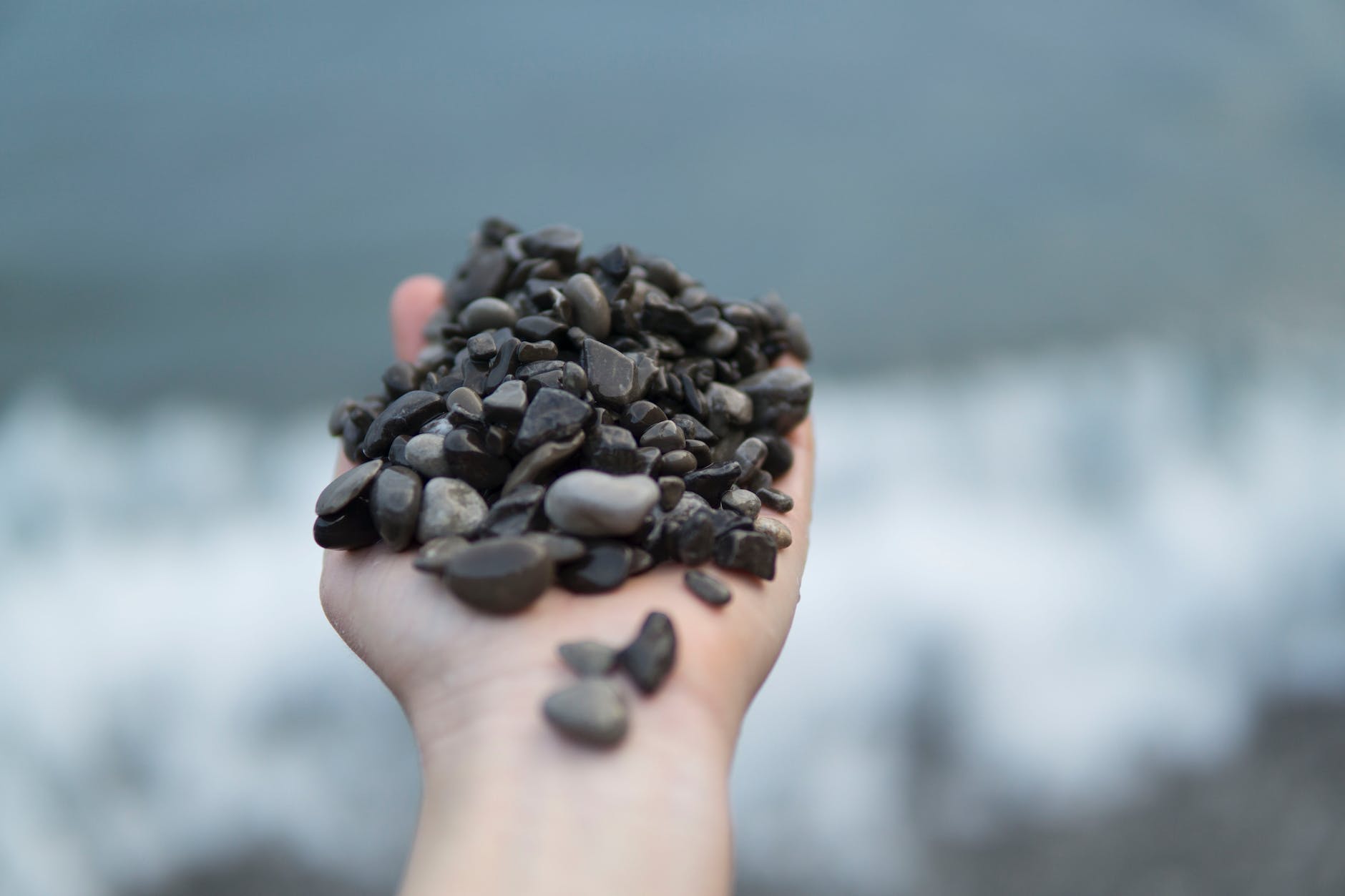
Photo by Elle Hughes on Pexels.com

For myself, I believe my beloved colleague would encourage me this Christmas and every Christmas going forward to seek to “Be that pebble in the shoes of those who are in power and ask the questions that need asking.” No question, my friend saw me or you like she saw everyone, it seemed; she made each of us feel seen.  Spending time in her presence, though, also meant you had to keep stooping down to remove the occasional pebble from your shoe because it was either that or limp forever.  She did this lovingly and you knew as you stooped down to scoop out that pebble that she meant to be loving to you and to everyone else who might be affected. “It’s all right,” she seemed to be saying in a loving and gentle way, “I’ll wait while you tend to that.” 

Who knew that a handful of pebbles could be such a sacred Christmas gift? 
Wrestling with God

People often assume that, because I am a pastor, my relationship with God must be bucolic, nurturing, all green pastures and peaceful waters. They are surprised then when I tell them that my relationship with God, in fact, more closely mirrors the story of Jacob wrestling with the angel. (See Genesis 32, or better, go back and read the whole story of this trickster who became the father of the 12 tribes of Israel.)

I refer them to this story because while I would love to say God and I are just great buddies and I, like Mary, sister of Martha, spend my days sitting at God’s feet listening and learning, the reality is much more that I wrestle with God and often, the wrestling feels like a life and death struggle.

The “Before”

Rapids

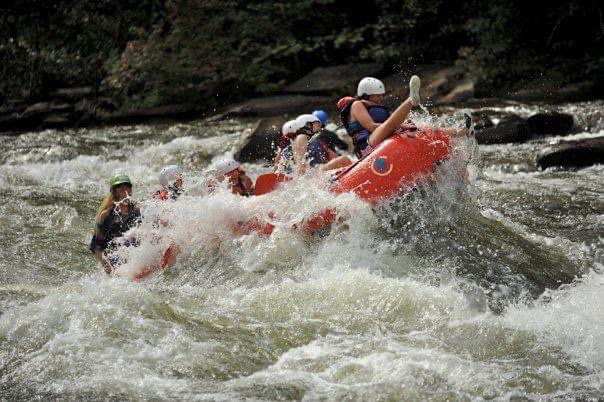
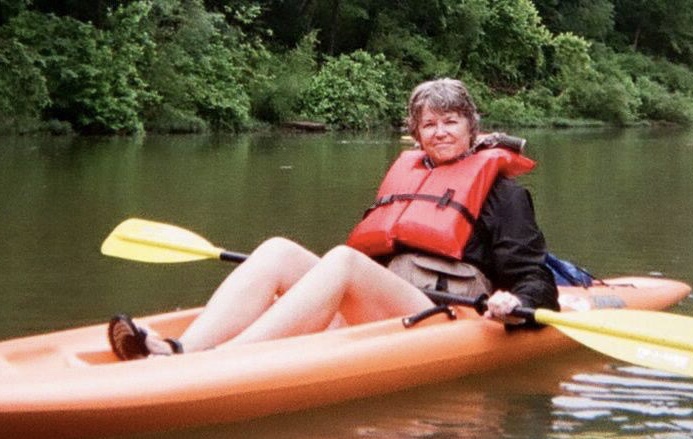
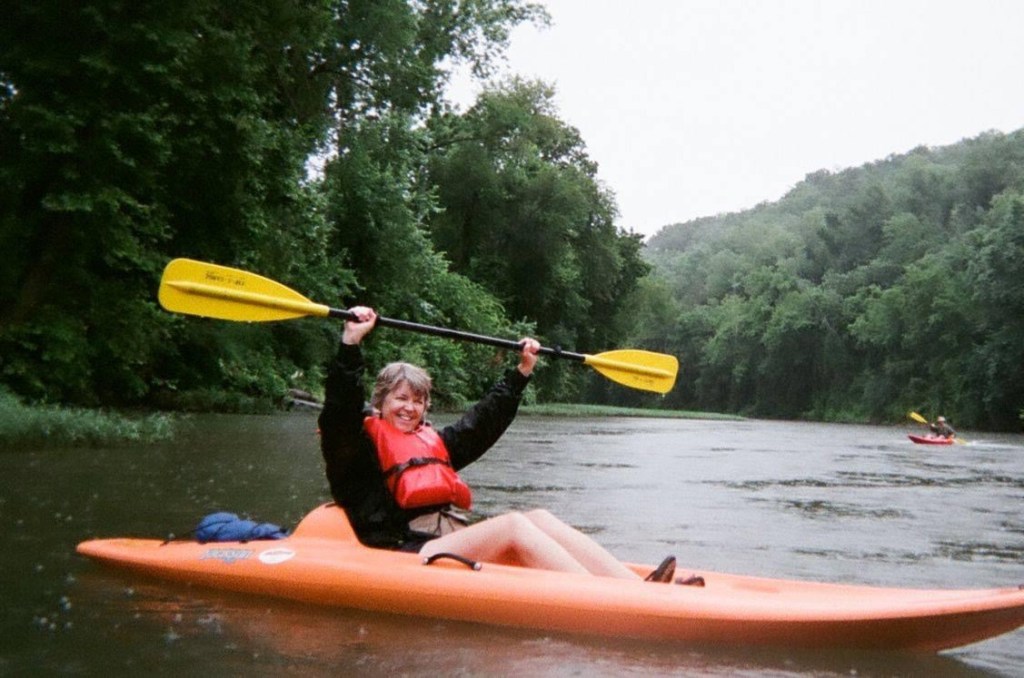
About five years ago, my two sons and I went kayaking on the Harpeth River on a rainy 4th of July. We were the last group of people allowed to get in the water because the rain had been coming down so long that the river was starting to rise. Those who ran the kayaking and canoeing outfitters were concerned and so they stopped letting other people get in the water. It was still manageable when we got in, and all three of us have a lot of experience with canoeing and kayaking, so we felt quite comfortable–even if we were soaking wet.

Almost immediately though, really before we could even get settled in our kayaks, we had to make a quick decision at a split in the water – a stretch of rapids either way but we had no time to think and no time to weigh the two and find the safest. My youngest son went right and my oldest and I went left. Within seconds, I watched in horror as my oldest son was sucked underneath a pile of brush that had collected on the side and then, almost as quickly, only had time enough to take a breath before I also got sucked under the pile of brush myself.

I remember being clear I did not want to be carried any further under that brush pile, because, well, there did not appear to be a way out on the other side. I, of course, immediately lost my paddle and kayak and just focussed on not being pulled any further under. I did know which way was up and managed to grab onto a branch, but I was not strong enough to pull myself to the surface. I remember that I kept holding onto the branch and was especially grateful when I realized it was living and attached to the riverbank. I could not find any way, though, to push myself up and get my head out of the water. I remember kicking and kicking and holding on until quite suddenly I found a foothold and pushed up until my head came out of the water and I felt a hand grabbing mine.

I was not underwater for a long time, but the time that I was underwater went by slowly while I was struggling, and I remember two thoughts as I was kicking and searching for a foothold and trying to push myself up: the first thing that I was thinking was I didn’t know where my oldest son was and I was really scared he was underneath the brush; and the second thing I was thinking was honestly that I might not get out of this alive. I was under water and struggling long enough to have time to think I might not make it.  

As it turns out, I was not the only one thinking that, though, because I found out a bit later that my youngest son — the outdoorsman and most  experienced of the three of us, the one who has survived several brushes with death that mom doesn’t want to know about, that son apparently had enough time to stop trying to retrieve my paddles, to yell to his brother, “Mom is not coming back up” and to start sprinting for where he’d seen me go under.  

Apparently, though, his brother, who I’m so grateful as able to quickly surface, was already trying to reach me and when I finally found a submerged log with my foot and was able to push up and reach up, that son grabbed my hand and pulled me on up and out.  And that all happened in five minutes or less of putting our kayaks into the water! My heart still races just thinking about it!

Praying, Not Praying….

Now you might hope that, in the midst of chaos and a frightening situation, that a preacher would be praying, right!? And, I’d really like to say that I was praying but I don’t remember that.  I do remember being calm, even when I thought I might not make it.  I remember being focused and I remember doing what I knew to do, focus on finding a foothold to push myself out of the rushing water. I remember being fully present in each moment.  I remember pushing again and again and I remember hoping it would work.  I remember that I kept trying and that I kept reaching. And when I felt that hand grab mine, when my sons pulled me out of the water, absolutely soaking wet, I remember taking a really deep breath. 

Afterwards, once I felt the relief of seeing both boys safe and sound, I think I felt worse for my oldest son who — Poor guy — had just given up cigarettes a few weeks earlier.   He looked like he needed one.  As for my younger son, well, he got a taste of what Mom had felt so many times with him and his brushes with danger and death.  I remember registering that it must have been serious because it was highly unusual for him to be worried but he was so worried, he ran!

How it felt….

I remember being grateful that my oldest son was above the surface trying to get to me the whole time and grateful to see his face when he pulled me out. Quietly, with little conversation at first, we set about trying to retrieve our paddles and whatever gear we had. Much was washed down the river and gone. We found what we could see in the rain, secured that gear to the kayaks and got back on the water because, as drenched and drained as we might have felt, there was no going back up the river – there was only one way home.

I remember we floated in silence for a bit until my youngest son turned to me and asked, “Don’t you just feel so alive right now, Mom?”  

Well, yes.

And No.  

I was far more exhausted than I normally would have been, considering we really had only been on the water for a few minutes.  But I also could say I could not remember many times in my life when I have felt that present, and that much in the moment, and that keenly aware of and focussed on what I needed to be doing.  

I felt quite shaken, I told him, but grateful though I was very clear that it never needed to happen again!!

All that is to say, I felt like most people do in a terrifying situation. While scary movies are quite popular with many of us, most of us do not actually like being in danger.  In fact, we have a high need to control that kind of chaos; we certainly do not like it.  As far as most of us are concerned, it is God’s job to make the chaos stop and God’s job to restore safety and help us feel comfortable again.

Wrestling is Biblical, Turns Out.

In Gospel Medicine, Rev. Barbara Brown Taylor says, we think that’s how we can tell when God is present–when the danger has been avoided.  When your heart stops pounding and you can breathe normally again? That’s when God is present, right? We believe we know that God is there when we’re not afraid anymore. “It is an appealing idea,” says Taylor, “but unfortunately the Bible will not back it up. As much as we’d like to think God is in the ‘keeping us from danger and chaos’ business,” in fact, she says, “much of God’s best work takes place in total chaos, while we are scared half out of our wits.” (Taylor, Rev. Barbara Brown, Gospel Medicine, 107-8.) Great. 

In the Genesis saga where Jacob is wrestling with an angel, Jacob certainly did not want to be fighting for his life.  But this story is where he does exactly that.  When we find Jacob there, it is twenty years after Jacob left his family because he cheated his older brother, and lied to his father, and took his older brother’s birthright, inheritance, AND blessing and then had to flee. 

“Likely he only knows which end is up because he can feel the dirt on his back or the gravel in his face as they roll and tumble and cling to one another all night, apparently evenly matched.  We know he felt afraid for his life, thought he was likely going to die, in fact, which means he was keenly present and aware of every moment and every move because the next move, the next moment, the wrong move, could mean the end of his life on this earth.” (Taylor, Ibid. )

Jacob refuses to let go of the angel until the angel gives him a blessing and the angel changes his name to Israel, which, of course, will be hugely important, but also leaves Jacob wounded, limping for the rest of his life, which means always vulnerable in that day and time.

This story is perhaps my favorite story in the Bible.  In fact, when folks ask me to explain my relationship with God, I tell them this story because while I would love to say God and I are just buddies and I, like Mary sister of Martha, spend my days sitting at God’s feet listening and learning, the reality is much more that I wrestle with God.  Sometimes I question God, sometimes I get angry with God, sometimes I am grateful and feel blessed. But it is not usually a serene and peaceful relationship. I also love this story because it describes so well how so many of us experience life: crises, and relationship troubles, and illnesses, and accidents, seem to pounce on us when we are not looking. and all we can do is hold on tightly and try to come up for air when we can. 

Faith, For Me, is Holding On, Ever Hoping.

Rachel Naomi Remen, an oncologist and author who struggled all of her life with her own Crohn’s Disease, and who has endured lasting, debilitating pain and multiple surgeries, talks about Jacob and striving with God in her book, My Grandfather’s Blessings. First, because she was a child when her grandfather told her this story, she says she was puzzled and wondered how anyone could confuse an angel with an enemy.  Her grandfather pointed out, though, that the wrestling was not the important part of the story.  The important part, he told her, is that everything has a blessing for us, and we can receive blessings even–and perhaps especially–in the times when we are clear we are not in control.  Our task is to keep striving as best we can to understand, keep striving to learn, and maybe even, like Jacob, keep negotiating but we keep holding on.

Rachel Remen says, “How tempting to let the enemy go and flee.  To put the struggle behind you as quickly as possible and get on with your life.  In fact, though, it turns out that very often the struggle IS your real life and all the time we spend quietly, serenely, calmly is just the quiet before the storm that is our life. Perhaps,” says Remen, “the wisdom lies in engaging the life you have been given as fully and as courageously as possible and not letting go until you find the unknown blessing that is in everything.” (Remen, Dr. Rachel Naomi, My Grandfather’s Blessings, 27. ) 

This kind of wrestling is not pretty, though. Most of us shy away from this kind of struggle because it is so embarrassing to be so clearly overwhelmed by our lives. I am sorry to say I have struggled a great deal in my life, sometimes because of tragedy or trauma and sadly, just as often because I have allowed trauma to set the rules and too often closed myself off from healing or relationships.

Soaked and Tired

When I do struggle, and it seems that I do nearly every time there’s a change I need to make, I have found it necessary to forget about how I look or how I present to others, as much about whether or not my eyes are swollen and red as about whether what I say makes sense to someone else. I have learned not to expect myself to sound rational or even be able to defend what I am feeling or thinking, only to hold on and not worry about frogs in my pockets or mud on my forehead or if anyone else understands right now. Every attempt, every time I push or grasp for words to explain what feels life-giving and what doesn’t, every move is more proof I am alive and I do care and still hope and, God willing, will reap a blessing from the effort.

As my sons and I floated down the river that day, I’d love to say I felt somehow triumphant, that I had gleaned some grand lesson the world would want to hear, that God had spoken to me and sent me back the land of the living to share some great wisdom that would make all of our lives better or more meaningful or help us cure cancer.

Instead, I was drenched, defeated and deflated but that didn’t matter because I was just grateful to be near enough my boys to touch them, to call to them, and to hear them call back to me for another day.

We Do All Have A Story

Part of unpacking the backpack I’ve carried now for more than six decades is recognizing that there are so many stories. Yours. Theirs. Ours. Everyone’s. We all do have a story and much of my life has been about sharing stories. One of my favorite jobs revolved around being assigned to interview a wide variety of people whose stories I was then tasked with telling.

This image is from a card created to benefit Room In The Inn in Nashville (roomintheinn.org.)

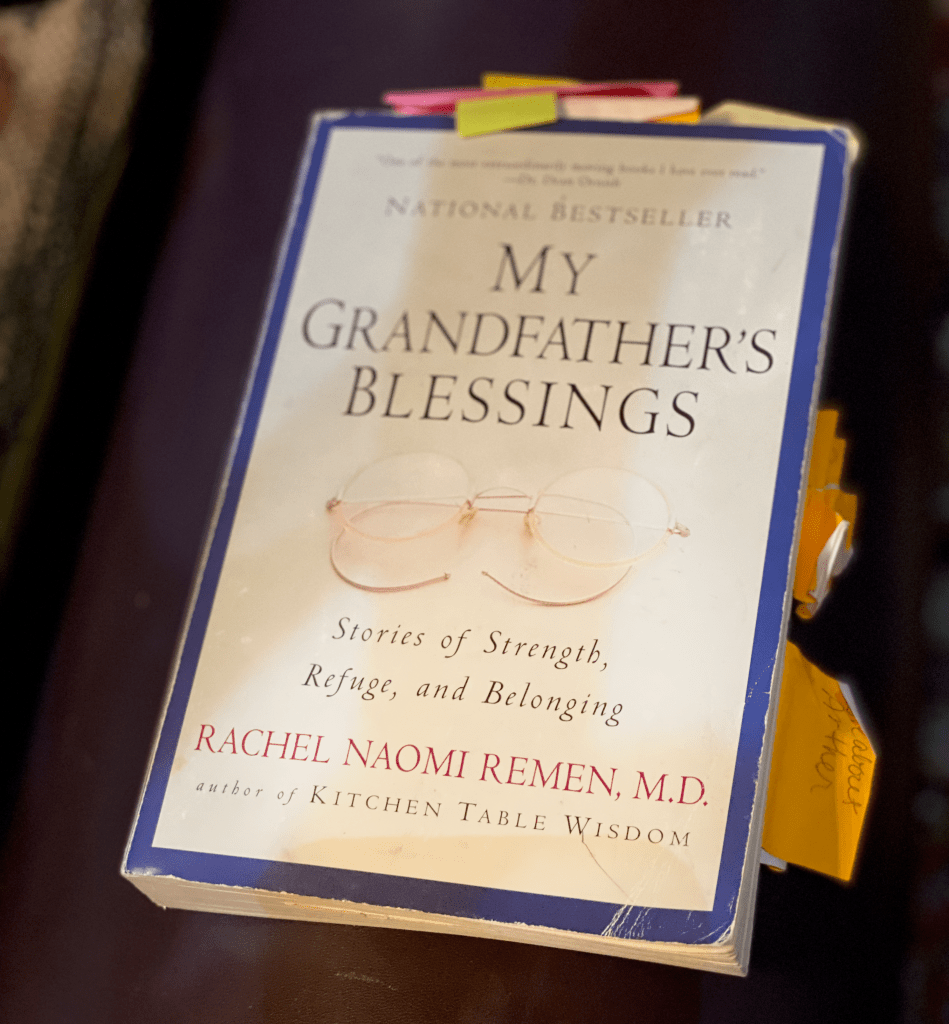
(So many of my favorite books, by the way, have been short story compilations or books about stories. As I unpack this backpack, the books I’ve held onto, often referred to and found worth rereading will be topics of entries. Below is one of my long time favorites. Rachel Naomi Remen, M.D., shares wonderful stories and I have quoted her more than a few times in sermons.)

My Grandfather’s Blessings: Stories of Strength, Refuge, and Belonging, by Rachel Naomi Remen, M.D., (Riverhead Books, New York, 2000) has long been a favorite, in part because she not only tells wonderful stories, but she also encourages and celebrates us all recognizing our blessings in hearing one another’s stories and in telling our own.
As you can see, this copy has been well-used.

I love stories.

Stories about trying to grow disease-free strands of chestnut trees, trees that have their own stories, by the way! (They used to grow in the south to be massive but now can only manage to sprout bushes. Grow, little trees, grow!)

Stories about small town festivals and cowbirds and killdeer who protect their young by pretending to be injured to draw predators away from nests.

Stories about how you refused to let anyone else tell you how to live your life, stories about first loves, stories about sitting with dying.

As, I unpack my backpack here, I’ll tell those and others, stories about travel to Japanese temples in caves or about stumbling over statues intentionally left lying in the middle of bridges in Rome.

Stories about Lazarus stumbling out of the tomb and how that image helped us find ways to help our friends and neighbors who have stumbled as they tried to come back from combat and wars.

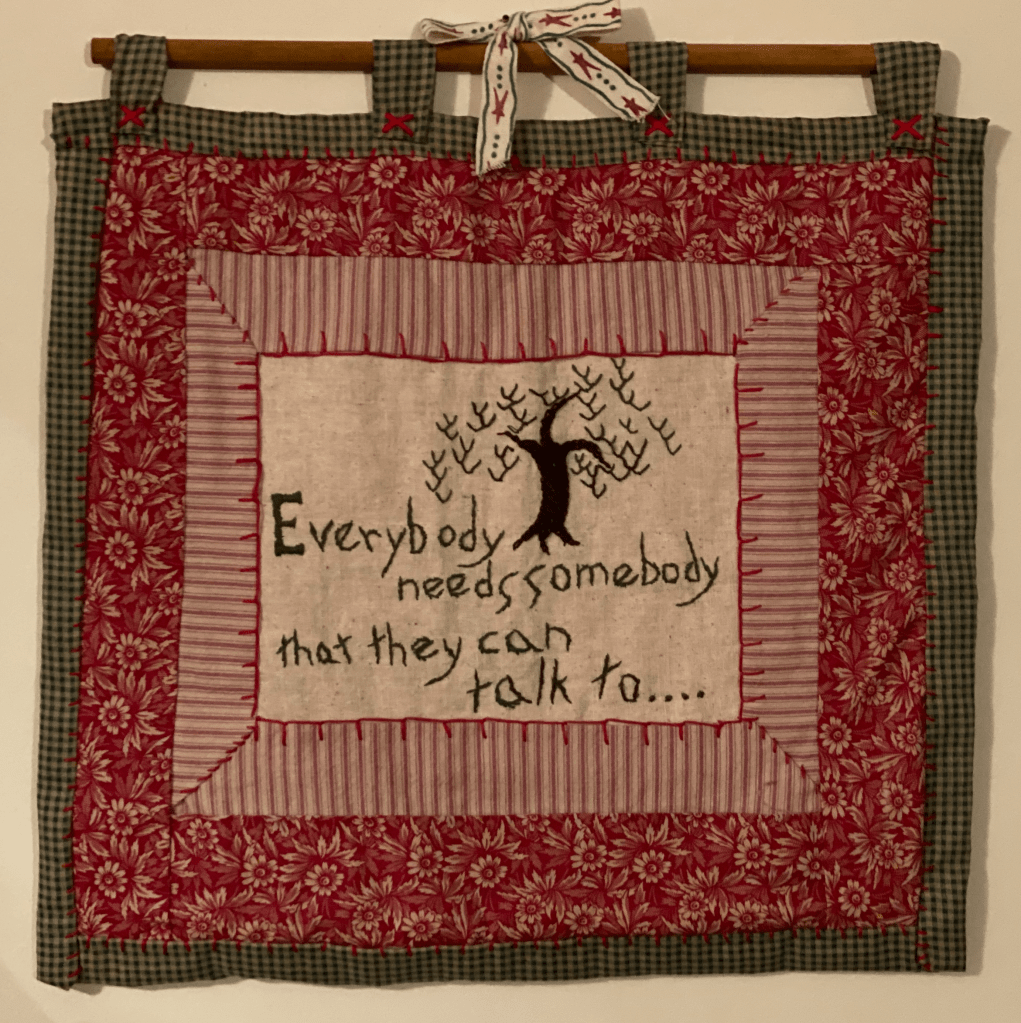
Songwriters and poets are some my favorite storytellers, often as much for what they leave out and let us fill in ourselves. The embroidery below I did years ago and, if you’re a John Prine fan, you know that is a line from one of his songs, “Everybody,” where he sings that: “Everybody needs somebody that they can talk to, someone to open up their ears and let that trouble through….”

Some stories are more compelling but none is more important than another, only more important to me or you and only in a certain time and place. All of our stories need to and deserve to be told. Even the ones we regret. To be sure, some are more fun to tell than other and some are the kind of story that, while you’re in the midst of the story itself, you know this is gonna be epic…if we survive.

One benefit of hearing and then telling your stories is how your stories spur me to remember and tell my own, whether they were stories about nearly drowning or stories about all the mythology around pregnancies (and the tendency people have to warn you or tell you about the worse-case scenario when they see you sporting a swelling belly) or some of my earliest stories, which were about running away from home or trying to make sense of chaos using a child’s vocabulary and point of view.

Stories. We all have them, we all need to hear them and we all need to tell them. I’ve got lots so this is just the beginning. Might want to sit down. This could take a while. You go first.