Part of unpacking the backpack I’ve carried now for more than six decades is recognizing that there are so many stories. Yours. Theirs. Ours. Everyone’s. We all do have a story and much of my life has been about sharing stories. One of my favorite jobs revolved around being assigned to interview a wide variety of people whose stories I was then tasked with telling.
This image is from a card created to benefit Room In The Inn in Nashville (roomintheinn.org.)
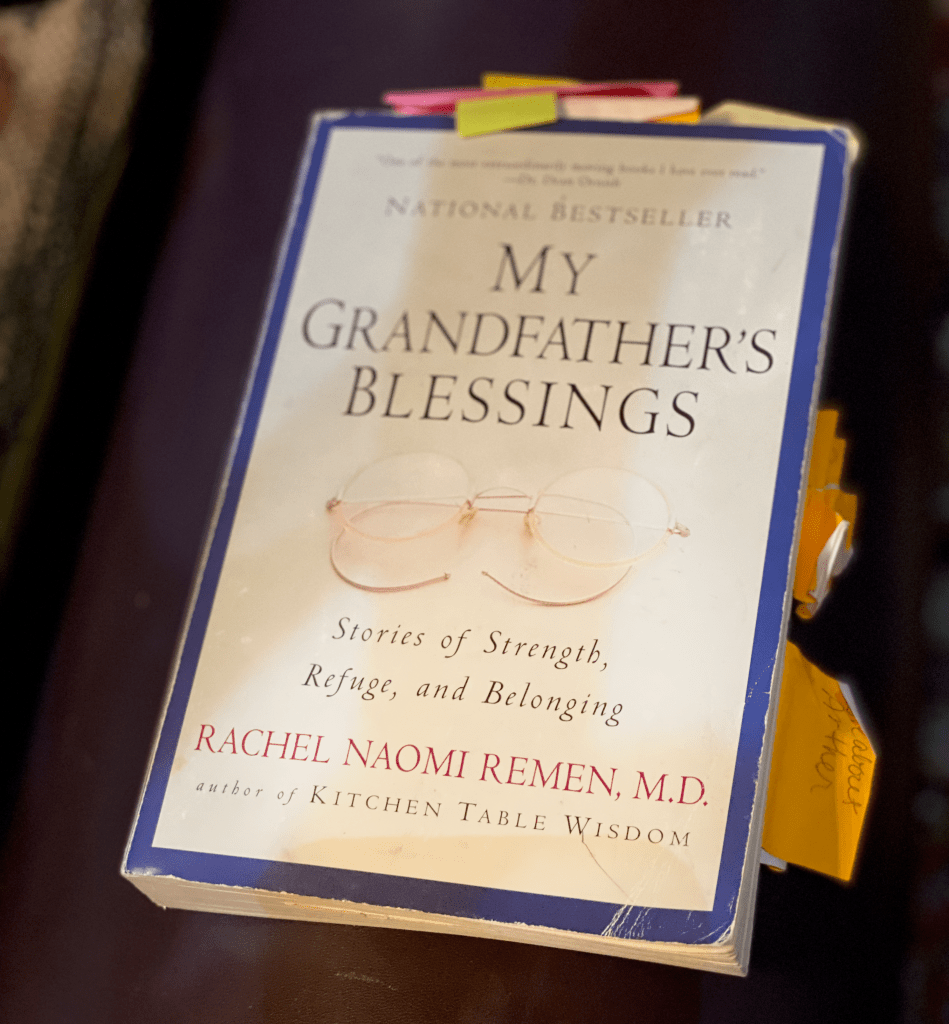
(So many of my favorite books, by the way, have been short story compilations or books about stories. As I unpack this backpack, the books I’ve held onto, often referred to and found worth rereading will be topics of entries. Below is one of my long time favorites. Rachel Naomi Remen, M.D., shares wonderful stories and I have quoted her more than a few times in sermons.)
My Grandfather’s Blessings: Stories of Strength, Refuge, and Belonging, by Rachel Naomi Remen, M.D., (Riverhead Books, New York, 2000) has long been a favorite, in part because she not only tells wonderful stories, but she also encourages and celebrates us all recognizing our blessings in hearing one another’s stories and in telling our own. As you can see, this copy has been well-used.
I love stories.
Stories about trying to grow disease-free strands of chestnut trees, trees that have their own stories, by the way! (They used to grow in the south to be massive but now can only manage to sprout bushes. Grow, little trees, grow!)
Stories about small town festivals and cowbirds and killdeer who protect their young by pretending to be injured to draw predators away from nests.
Stories about how you refused to let anyone else tell you how to live your life, stories about first loves, stories about sitting with dying.
As, I unpack my backpack here, I’ll tell those and others, stories about travel to Japanese temples in caves or about stumbling over statues intentionally left lying in the middle of bridges in Rome.
Stories about Lazarus stumbling out of the tomb and how that image helped us find ways to help our friends and neighbors who have stumbled as they tried to come back from combat and wars.
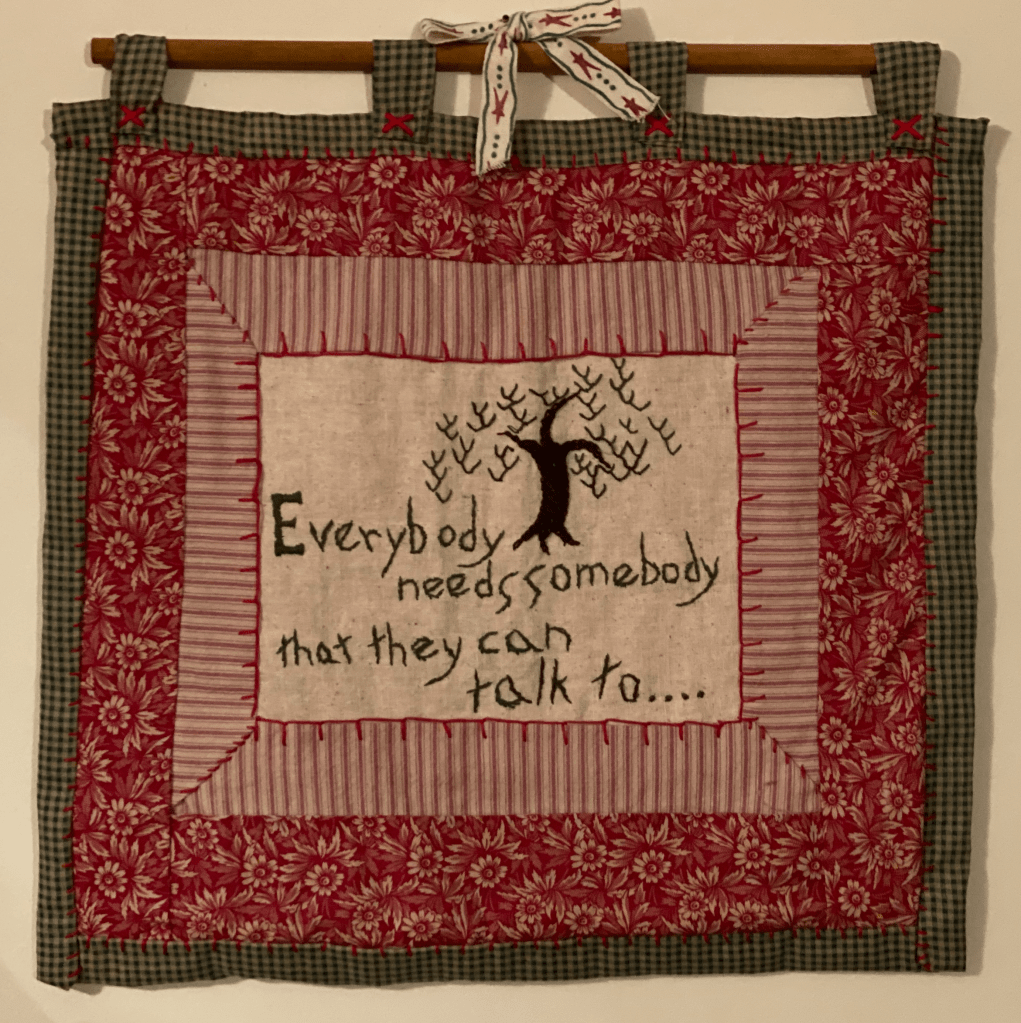
Songwriters and poets are some my favorite storytellers, often as much for what they leave out and let us fill in ourselves. The embroidery below I did years ago and, if you’re a John Prine fan, you know that is a line from one of his songs, “Everybody,” where he sings that: “Everybody needs somebody that they can talk to, someone to open up their ears and let that trouble through….”
Some stories are more compelling but none is more important than another, only more important to me or you and only in a certain time and place. All of our stories need to and deserve to be told. Even the ones we regret. To be sure, some are more fun to tell than other and some are the kind of story that, while you’re in the midst of the story itself, you know this is gonna be epic…if we survive.
One benefit of hearing and then telling your stories is how your stories spur me to remember and tell my own, whether they were stories about nearly drowning or stories about all the mythology around pregnancies (and the tendency people have to warn you or tell you about the worse-case scenario when they see you sporting a swelling belly) or some of my earliest stories, which were about running away from home or trying to make sense of chaos using a child’s vocabulary and point of view.
Stories. We all have them, we all need to hear them and we all need to tell them. I’ve got lots so this is just the beginning. Might want to sit down. This could take a while. You go first.
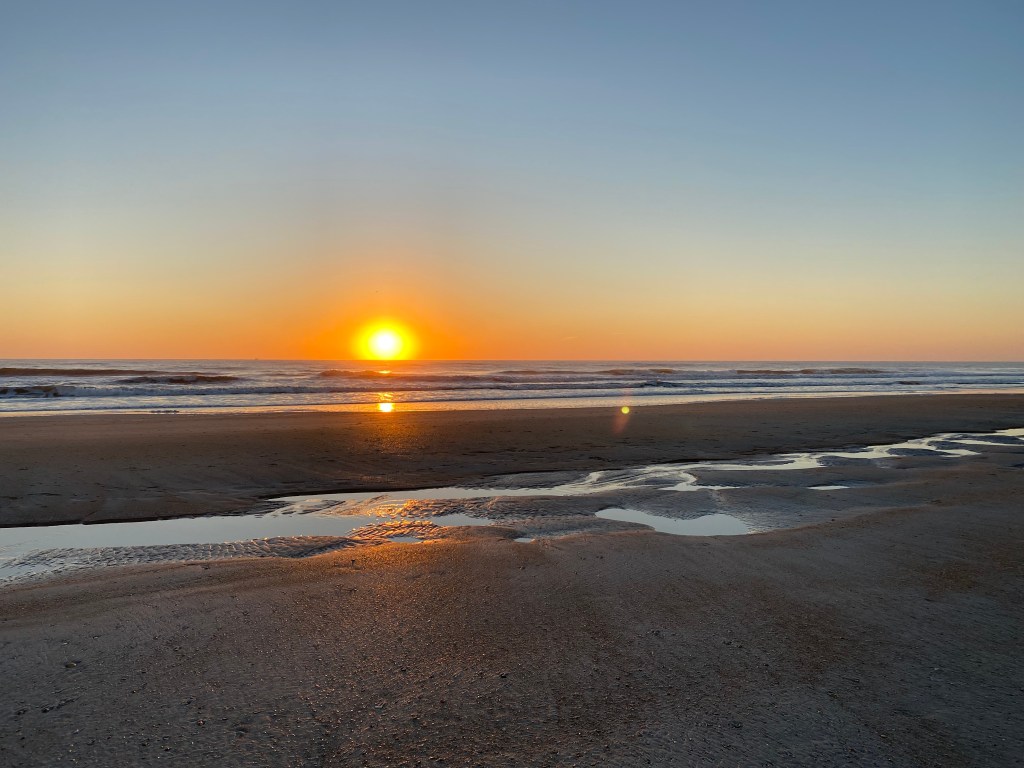
Full disclaimer: I love the ocean. I will likely write about it often.
I breathe better when I am near the ocean. I flourish when I am warm and can bury my toes in the sand. I used to feel guilty about wanting to be at the ocean all of the time until I finally found others like me. People used to call me lazy when I talked about how I was looking to find work near the ocean, near the beach, near the waves and the driftwood, as if only being willing to brave the cold and wind and aches and stiffness of winter made you a responsible and mature adult.
Suffice it to say, the ocean will be one of the topics I will write about here. Perhaps some of my unpacking thoughts will speak to you.
If you have ever tried to body surf, or even if you have ever been knocked down by a wave, you know how powerful waves can be. I have sported my fair share of bruises earned when a wave has knocked me down. Some waves are so powerful that they will send you tumbling back onto the beach, rolling and rolling head over heels until you lose momentum, as if you were Jonah spit back up onto the beach by the whale, as if the ocean were done with you and wanted you out.
Grief can bowl us over as if it were a wave. Once it initially recedes, we may struggle to stand again even as the water, powerful and relentless, rushes back out into the vastness of the ocean.
Perhaps you’ve experienced this, trying to stand again while the sand and shells and rocks and debris under your feet sinks and sucks your feet into the muck.
Strange to anticipate grief but smaller instances of grief are warnings of the power of grief to come. Nothing to do but to attend to the moment and focus on the feel often the knees- sin and hands-sinking in the shifting ground under me.
Too often I cannot recover enough balance and find a sure enough of a foothold to raise myself above the next wave that often quite rudely washes over me and requires me again to seek some sure footing. What I have found, though, is that, too often the only answer is to sit in the sand and swirling waters and take a breath as the grief washes over me.
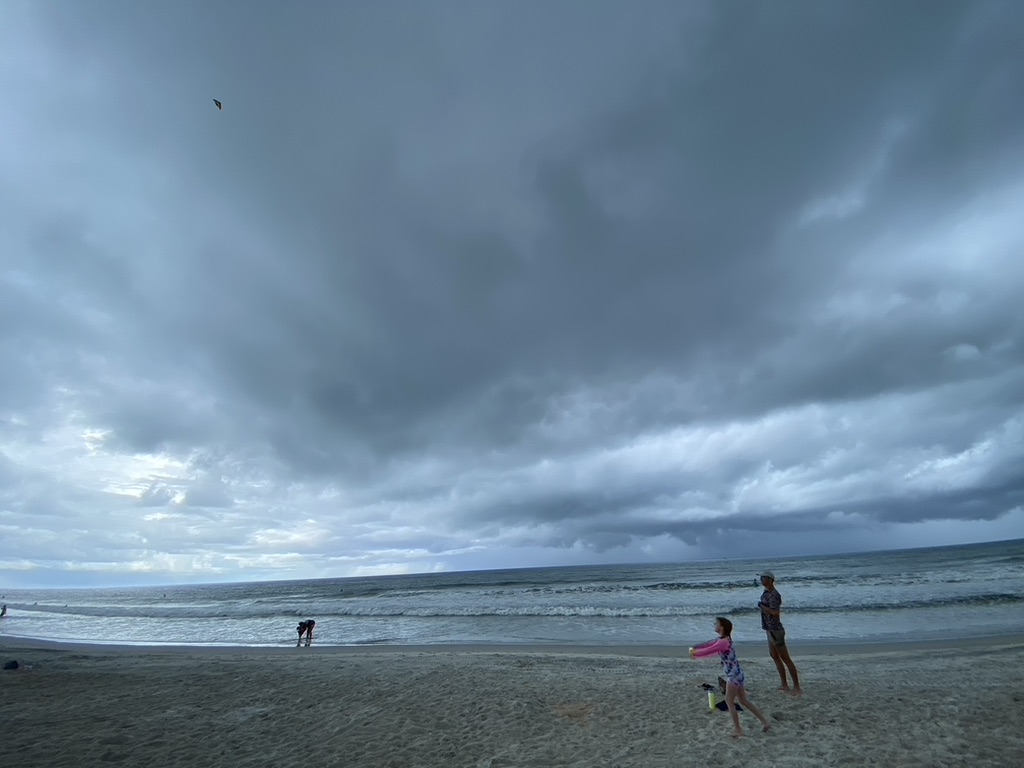
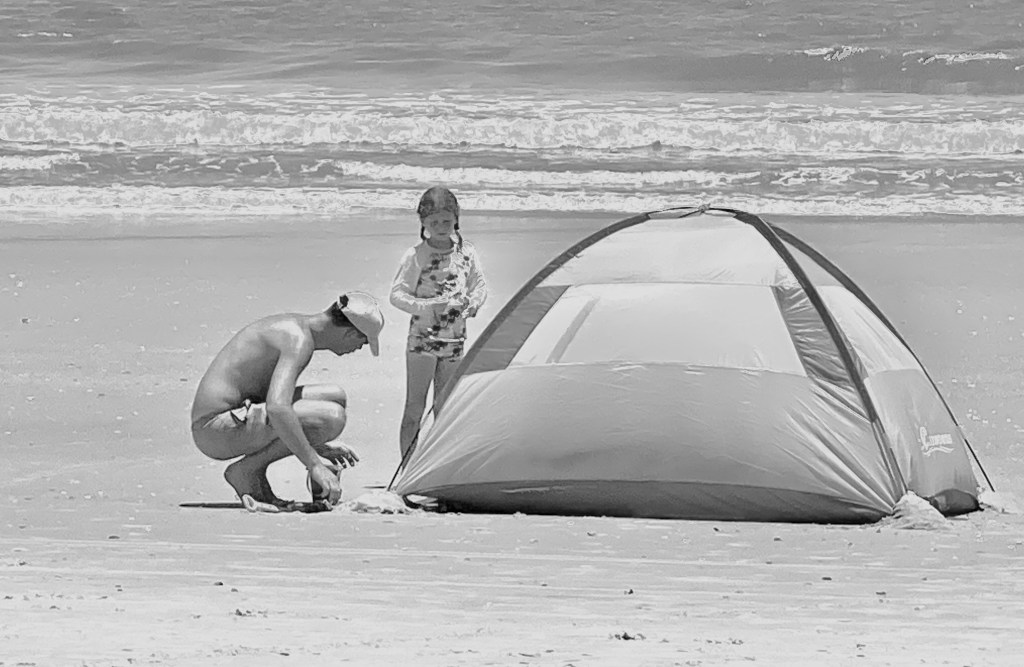
Try not to gulp, I warned my granddaughter, when she was learning to body surf. Keep your mouth closed; If you scream at the wrong moment, you will know what anchovies taste like.
When the grief and swells are too strong to fight, they recommend you curl up in ball and not fight the current of a rip tide. If you are in shallow enough water, you may find the surf still to strong to allow you to stand. In that case, just sit. After a moment, there’ll be a lull in the swells and a chance to right yourself and get onto-your knees again, then your feet.
When I was a child, my brother, my sister and I were introduced rudely to the tyranny of waves. Beautiful and calming from a distance, exciting and great fun when you know how to ride them, the swells of the ocean came as a rude surprise to my siblings and I. Aged five, six and seven, dressed in new outfits for travel overseas, my father directed us to chase that wave back into the ocean for a photo op with his brand new SLR. We’ll never know if he was aware of what would happen; he’d never admit it but the youngest of us didn’t realize soon enough and the resulting photo captured her shock of the cold and surprise at the wet as a wave swept over her. To this day I don’t remember who grabbed her to keep her from falling fully into the wave. True to our family, though, dynamics, she’s never discussed the moment, never indicated even if she remembered it, never revealed whether or not it was traumatic or simply a not so pleasant memory.
I certainly remember the look on her face, the question, “Why did you let this happen?”
“Why didn’t you warn me?”
Most days, memories of my childhood are simply like the gentle wake of the outgoing tide; they lap at my toes and remind me of how far I have been blessed to come from those days.
Most days, I recognize that the memories, after years of work, are harmless, never gone but not threatening to knock me down and no longer able to sweep me out into the deep.
Most days, the memories are not so powerful, now, though, as is often the case with trauma victim, on occasion the wave that washes over is certainly chilling and a shock to the system.
As an adult, I camped one weekend on a beach in Big Sur California, with a friend, a fellow soldier, a Captain in the unit whose members wore a green beret. Overlook for this anecdote the fact that we were not allowed to date, a Private First Class (enlisted) and a Captain. He was, for me, I realize now, a protector, safe and able to navigate dangers that still frightened me. He was also I realize as I write this, a warrior who decided to become his own protector first. I am sad to say I will probably never know now what trauma drove that for him. We might have been able to help one another more consciously had we been able to share. As it was, we were simply a refuge for one another for a time.
After a bit of a hike, we discovered, on that trip decades ago, a driftwood shelter on the beach, perfect for two of us to sleep inside and so we took shelter during a gentle rain and slept peacefully. Until morning. Slightly before dawn, I awoke to his arm suddenly over me, directing me not to move, holding a bundle of clothes over my head (I know now that was to keep them dry.) I am, to this day, amazed at the training that enables that kind of quick thinking, by the way. As the chilly wave receded, he jumped up, scrambling out of the shelter and further up the beach before the next wave overtook the little shelter, me his willing shadow.
Aware of the chill that would quickly set in, he was, true to form, able to build a warming fire for us and dressed me in the (oversized for me) warm sweater he’d managed to grab as wave had first washed over us.
These two events share more than the cold waters of the Pacific Ocean off of northern California. (That first experience occurred on the San Francisco Bay).
Together for me, these experiences mark a formal progression to an awareness of choices, choices in how to live, how to parent, how to love, choices it has not seemed that either of my parents ever reached themselves.
My father had been a boy scout and became a boy scout leader but never shared any of what he’d learned about safety, precautions or survival. His guiding principle seemed to come from early poverty, both poverty of resources and poverty of love. My mother once declared that no one ever taught her how to take care of herself so her children could just figure that out themselves, too.
I am grateful I realized I did have choices.
For the longest time, I thought my only choices were to be like one or the other parent. I am grateful to this day for a doctor who said simply, there is more for you than the life you live at home. You will have other choices, entirely different choices, she said. Because of her simple statement, I have lived learning to expect and then accept those choices that could help me survive and even thrive in spite of the waves that have periodically threatened to wash over me in life.
The choices I have discovered have been for my own “upbringing.” I am the first to acknowledge that I have been slow to mature emotionally, but that was not from lack of effort. My choices have also been about how to parent i.e., whether to repeat my parents pain and pass it on, as they did, or try, albeit likely still lacking, to teach my children at least something about self-care and caring for others.
Sometimes the self-care is just about sitting still while the sand and shells and swirling waves threaten to pull you down more and certainly do not allow you to get to your feet right away. Sometimes the self-care is to admit you cannot yet stand. Sometimes the self-care becomes caring for others as you teach them how to sit still in the grief and the waves and even sit still with them, teaching them to power of sharing the moment and the powerful self-care to be found in caring for one another.



 Emptying The Backpack